English
-
Destinations
Tanzania Destinations
Beyond the classic safari trails, Tanzania offers destinations that cater to every type of explorer. Venture into Uganda’s lush rainforests to encounter the gentle giants of the animal kingdom, or explore Rwanda’s Volcanoes National Park, where encounters with majestic mountain gorillas leave a lasting impression.
- Experiences
Safari Inspirations
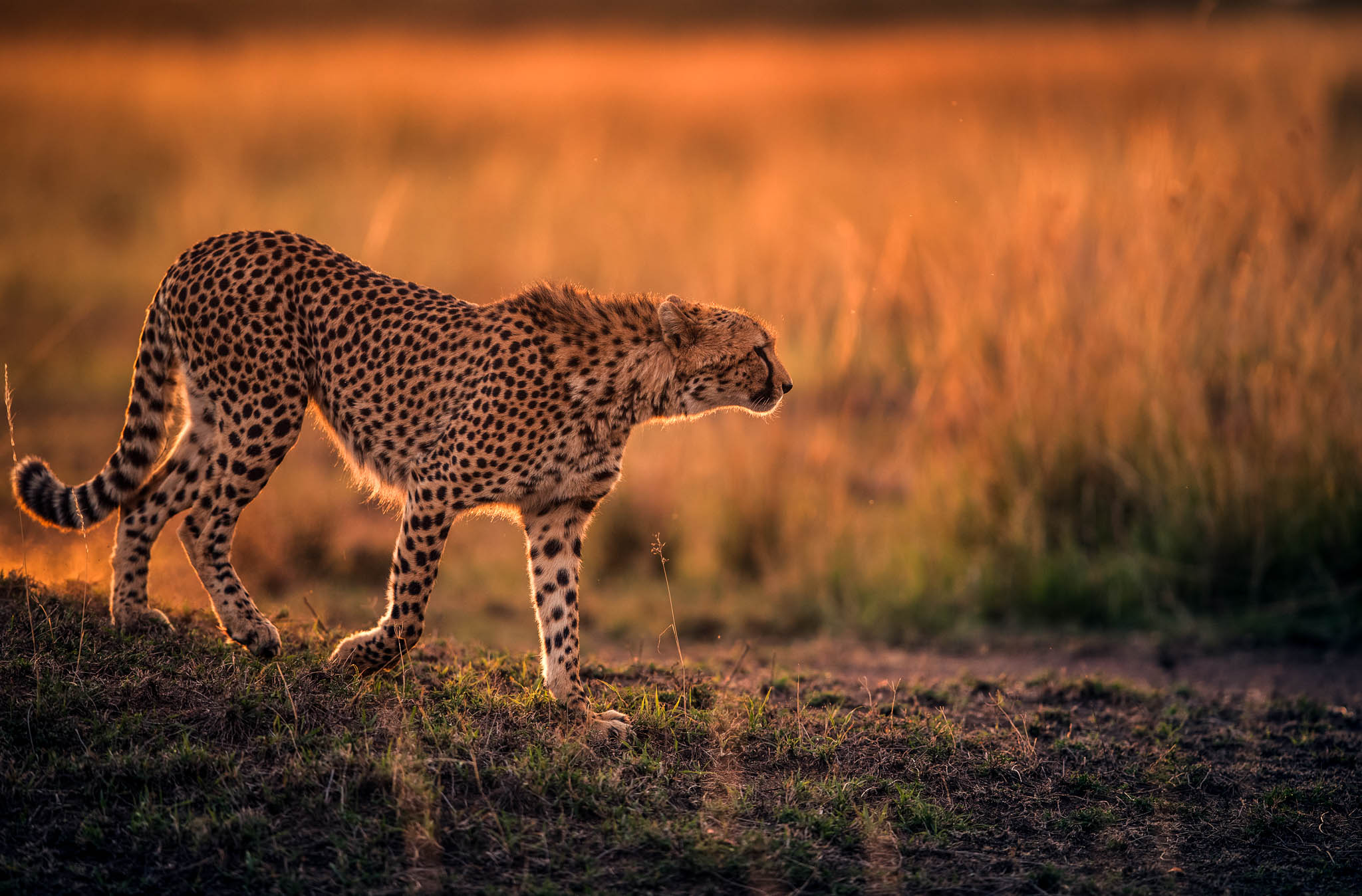
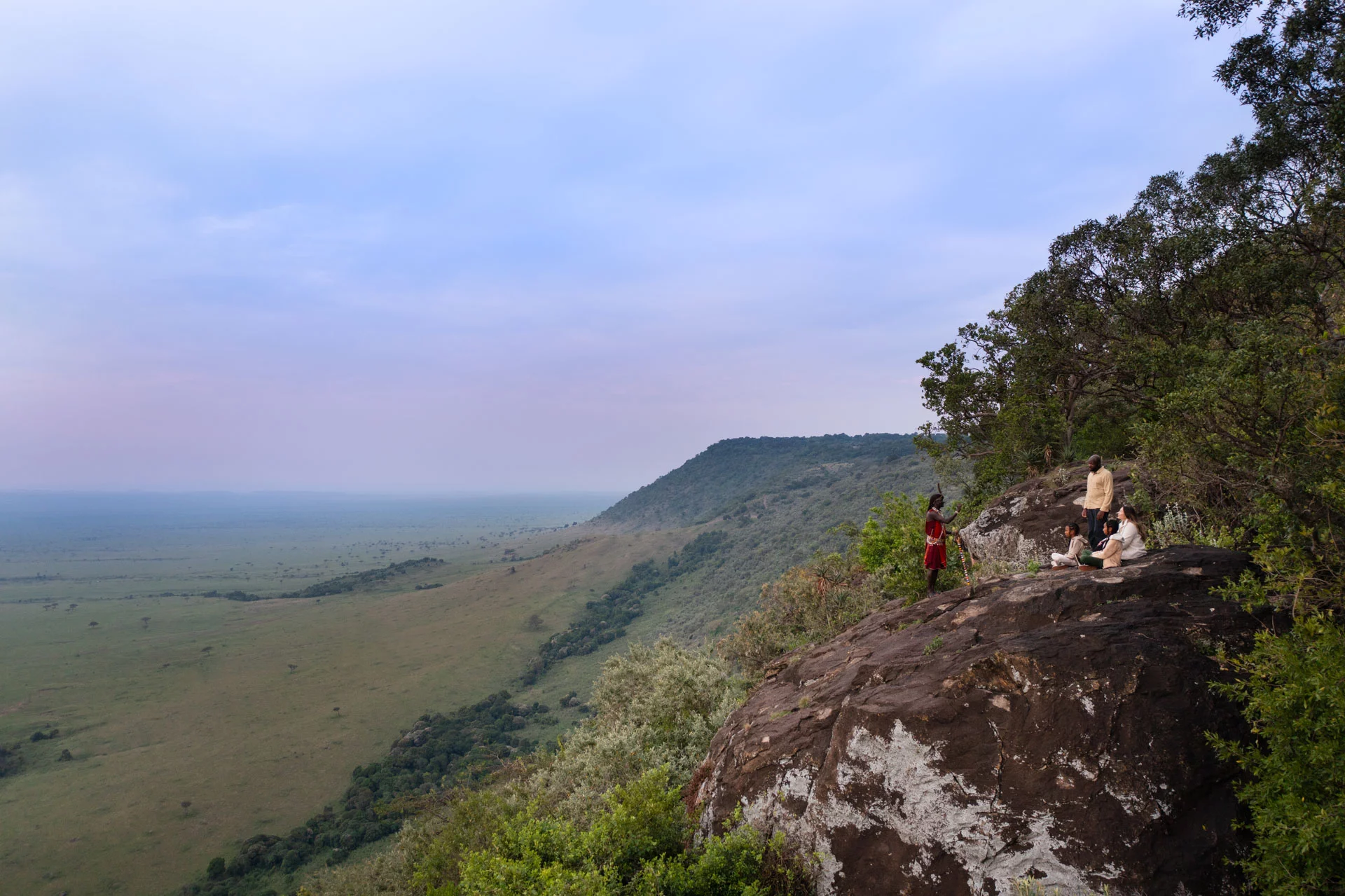
Tanzania is a land of endless safari inspirations, where every journey is an invitation to explore vast landscapes, vibrant cultures, and a rich tapestry of wildlife. From the sweeping plains of the Serengeti to the dramatic highlands of the Rift Valley, the region offers a myriad of experiences that ignite the spirit of adventure.
- Kilimanjaro
Kilimanjaro Trekking
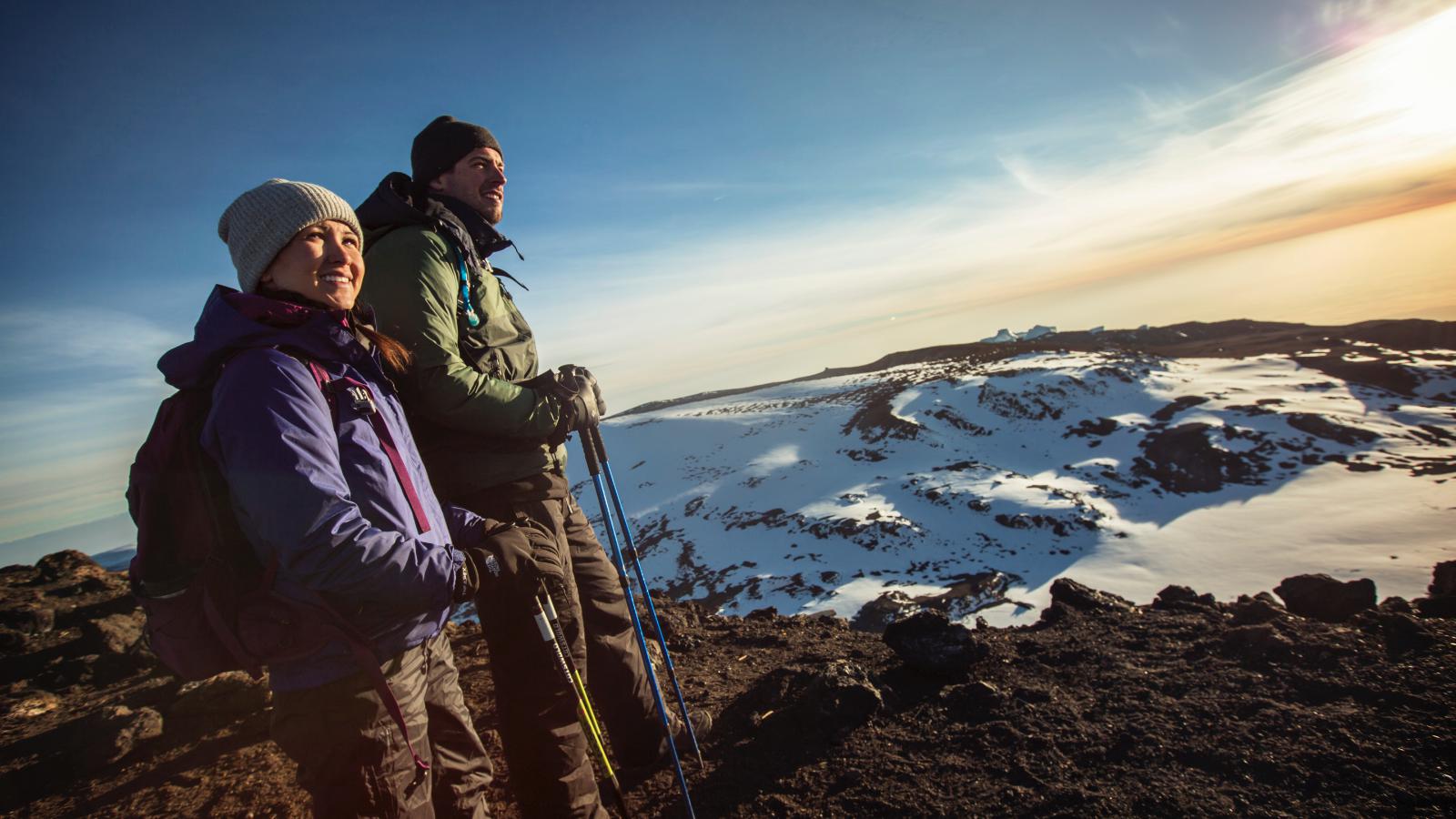
Mount Kilimanjaro, the highest free-standing mountain in the world, has long captured the imagination of adventurers and nature enthusiasts. Its snow-capped peak and diverse ecosystems create a breathtaking backdrop that promises an unforgettable trekking experience.
- Trip Ideas
Skip to the content
Trip ideas Packages
Every safari in Tanzania is more than a trip—it is a journey of self-discovery and a celebration of life’s raw beauty. The landscapes here are not only visually stunning but also full of lessons about resilience, coexistence, and the ever-changing dance of nature
- About us
About Us
Manka Safaris solutions stands out as a premier provider of authentic safari experiences in East Africa, dedicated to offering adventures that are as unique as they are unforgettable.
Trip Highlights
What to expect on this trip
Wildlife on the Trail Meru passes through a live national park. Buffalo, giraffe and colobus monkeys share the lower forest, and an armed ranger accompanies every group throughout.
The Crater Ridge Approach The summit route follows a narrow ash cone ridge with the inner crater on one side and steep outer slopes on the other — one of the most dramatic approaches to any summit in Africa.
Socialist Peak at Sunrise The midnight start pays off at dawn: Kilimanjaro rises to the east as the sky turns from black to orange, framed by Meru's own crater rim. One of the finest panoramas in East Africa.
Far Less Crowded Than Kilimanjaro Meru sees a fraction of Kilimanjaro's traffic. The huts are quieter, the mountain wilder, and the sense of genuine wilderness more pronounced. You earn the summit without a crowd at the top
- Your Itinerary
-
01 Day 01
Arusha → Momella Gate → Miriakamba Hut (2,514m) | Forest Trek · Wildlife
Your Manka Safaris guide collects you from your hotel in Arusha or Moshi after breakfast for the drive into Arusha National Park — roughly an hour from Arusha, or around two hours from Moshi — along roads that pass through farmland before the park gate appears. At Momella Gate you register, meet your armed ranger, and begin the trek with the mountain ahead of you. The first section crosses open grassland where giraffe and buffalo are frequently seen, then drops into the rainforest belt. The trail is well-defined but moderately steep in places, passing Maio Falls and moving through a section of ancient fig forest where the light filters through the canopy in long shafts. You reach Miriakamba Hut after around five to six hours of steady walking — covering 10 km through grassland and rainforest. The hut sits in a forest clearing at 2,514 metres — a bunk bed, a kitchen serving hot food, and the sound of the forest after dark.
Discover more about
Your Manka Safaris guide collects you from your hotel in Arusha or Moshi after breakfast for the drive into Arusha National Park — roughly an hour from Arusha, or around two hours from Moshi — along roads that pass through farmland before the park gate appears. At Momella Gate you register, meet your armed ranger, and begin the trek with the mountain ahead of you. The first section crosses open grassland where giraffe and buffalo are frequently seen, then drops into the rainforest belt. The trail is well-defined but moderately steep in places, passing Maio Falls and moving through a section of ancient fig forest where the light filters through the canopy in long shafts. You reach Miriakamba Hut after around five to six hours of steady walking — covering 10 km through grassland and rainforest. The hut sits in a forest clearing at 2,514 metres — a bunk bed, a kitchen serving hot food, and the sound of the forest after dark.
Accommodations options
- Continue with the other day
-
02 Day 02
Miriakamba Hut → Saddle Hut (3,570m) | Moorland Ascent · Optional Little Meru
The second day covers 8 km in four to five hours, shorter in distance but more demanding in gradient. After breakfast you leave the forest behind and enter the heath and moorland zone, where the vegetation thins and the views begin to open. The trail climbs steadily to Mgongo wa Tembo — Elephant Back — a broad ridge at around 3,200 metres with sweeping views across the crater interior and the surrounding highlands. Saddle Hut sits at 3,570 metres between the main summit ridge and the peak of Little Meru. You arrive in the early afternoon, which leaves time for an optional acclimatisation hike to Little Meru at 3,820 metres. Your Manka Safaris guide will gauge the group's energy before suggesting it — it's an hour each way and the altitude gain is useful for tomorrow, but more than that, the sunset views from the top — Kilimanjaro to the east, the Arusha plains far below — are worth the extra steps. Dinner and an early night: the alarm is set for midnight.
Discover more about
The second day covers 8 km in four to five hours, shorter in distance but more demanding in gradient. After breakfast you leave the forest behind and enter the heath and moorland zone, where the vegetation thins and the views begin to open. The trail climbs steadily to Mgongo wa Tembo — Elephant Back — a broad ridge at around 3,200 metres with sweeping views across the crater interior and the surrounding highlands. Saddle Hut sits at 3,570 metres between the main summit ridge and the peak of Little Meru. You arrive in the early afternoon, which leaves time for an optional acclimatisation hike to Little Meru at 3,820 metres. Your Manka Safaris guide will gauge the group's energy before suggesting it — it's an hour each way and the altitude gain is useful for tomorrow, but more than that, the sunset views from the top — Kilimanjaro to the east, the Arusha plains far below — are worth the extra steps. Dinner and an early night: the alarm is set for midnight.
Accommodations options
- Continue with the other day
-
03 Day 03
Saddle Hut → Socialist Peak (4,566m) → Miriakamba Hut | Summit Night · Long Day
The alarm goes at midnight. You dress in layers, eat a small breakfast in the dark, and leave Saddle Hut by torchlight with your Manka Safaris guide leading the way. Today covers 25 km of alpine ridge, heath and rainforest terrain over ten to twelve hours — the longest and hardest day of the trek. The first section climbs steeply to Rhino Point on the crater rim, then the trail narrows along the ash cone ridge — a spine of rock with the inner crater falling away to your left and the outer mountain dropping to the plains far below. Cobra Point arrives an hour or so before the summit. From here the ridge tapers and the final push to Socialist Peak at 4,566 metres takes another forty minutes. At the top, if the timing is right, you watch Kilimanjaro rise out of the horizon to the east as the sky behind it turns from black to deep blue to orange. The descent returns to Saddle Hut for a rest and hot drinks before continuing all the way down to Miriakamba Hut — a long, tiring, thoroughly satisfying day.
Discover more about
The alarm goes at midnight. You dress in layers, eat a small breakfast in the dark, and leave Saddle Hut by torchlight with your Manka Safaris guide leading the way. Today covers 25 km of alpine ridge, heath and rainforest terrain over ten to twelve hours — the longest and hardest day of the trek. The first section climbs steeply to Rhino Point on the crater rim, then the trail narrows along the ash cone ridge — a spine of rock with the inner crater falling away to your left and the outer mountain dropping to the plains far below. Cobra Point arrives an hour or so before the summit. From here the ridge tapers and the final push to Socialist Peak at 4,566 metres takes another forty minutes. At the top, if the timing is right, you watch Kilimanjaro rise out of the horizon to the east as the sky behind it turns from black to deep blue to orange. The descent returns to Saddle Hut for a rest and hot drinks before continuing all the way down to Miriakamba Hut — a long, tiring, thoroughly satisfying day.
Accommodations options
- Continue with the other day
-
04 Day 04
Miriakamba Hut → Momella Gate → Arusha | Forest Descent · Transfer Out
The final morning is gentle — 10 km of rainforest and grassland descent over three to four hours. After breakfast you descend through the same forest that welcomed you on day one, but everything feels different now — the mountain is behind you, the legs are steady on the downhill, and the wildlife encounters that felt exciting at the start now feel like familiar territory. Buffalo are often seen again on the lower grassland, and the gate arrives mid-morning. Your Manka Safaris driver is waiting at Momella Gate. The drive back to Arusha takes around an hour — enough time to sit quietly and let the four days settle. Drop-off is in Arusha town or at your accommodation. Kilimanjaro International Airport transfers can be arranged on request.
Discover more about
The final morning is gentle — 10 km of rainforest and grassland descent over three to four hours. After breakfast you descend through the same forest that welcomed you on day one, but everything feels different now — the mountain is behind you, the legs are steady on the downhill, and the wildlife encounters that felt exciting at the start now feel like familiar territory. Buffalo are often seen again on the lower grassland, and the gate arrives mid-morning. Your Manka Safaris driver is waiting at Momella Gate. The drive back to Arusha takes around an hour — enough time to sit quietly and let the four days settle. Drop-off is in Arusha town or at your accommodation. Kilimanjaro International Airport transfers can be arranged on request.
Accommodations options
- the end of your dream journey
Included
What's included
-
✓ Experienced mountain guide and armed park ranger throughout
-
✓ 3 nights mountain hut accommodation (Miriakamba × 2, Saddle Hut × 1) with all meals as specified
-
✓ All Arusha National Park entry, rescue fees, and return transfers from Arusha or Moshi
-
✓ Porters for trek equipment, bottled drinking water on the mountain
Not Included
What's not included
-
✗ International flights, Tanzania tourist visa fees, and travel insurance (must cover high-altitude trekking)
-
✗ Tips and gratuities for guide, ranger and porters
-
✗ Personal trekking gear (boots, warm layers, sleeping bag liner)
-
✗ Alcoholic beverages and any services not listed above
Get inspired
with your safari styleSpell-binding safaris paired with beachside bliss
Frequently Asked Questions
Travel Info at glance
What should I wear on a safari day?Wear lightweight, neutral-colored clothing (like khaki or beige) to stay cool and blend into the environment. Comfortable walking shoes, a hat, and sunglasses are also recommended. Early mornings and evenings can be chilly, so bring a light jacket.
What time do safari game drives usually start and end?Morning game drives typically start around 6:00 AM and last 3–4 hours, while afternoon or evening drives begin around 3:00–4:00 PM and return by sunset. Exact times may vary depending on the season and your lodge’s schedule.
Is it safe to go on a safari?Yes, safaris are safe when conducted by professional guides who follow park rules. Always remain in the vehicle unless instructed otherwise and avoid sudden movements or loud noises near wildlife.
Will I see all the Big Five during my safari?Sightings vary and are never guaranteed as animals roam freely. However, with experienced guides and multiple game drives, your chances of spotting the Big Five—lion, leopard, rhino, elephant, and buffalo—are high in many national parks.
What should I bring with me on a game drive?Bring binoculars, a camera, sunscreen, insect repellent, water, and a small snack. Your guide may also provide some of these items, but it’s best to come prepared.
WhatsApp ChatQuestions? Doubts?Chat with us via WhatsAppWe will respond as soon as possible. - Experiences