English

-
Destinations
- Experiences
- Kilimanjaro
- Trip Ideas Skip to the content
Umbwe Route
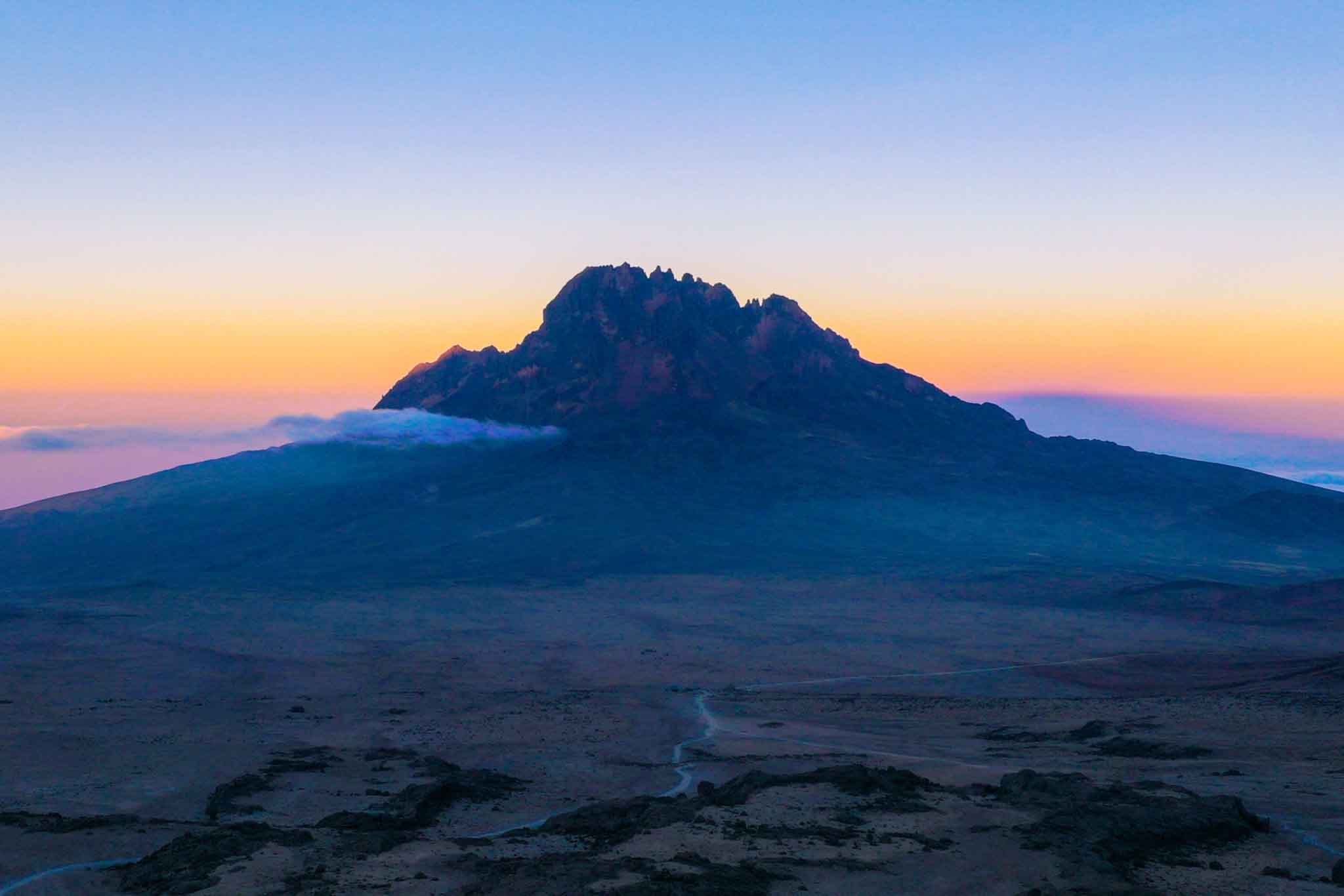
Umbwe Route Overview
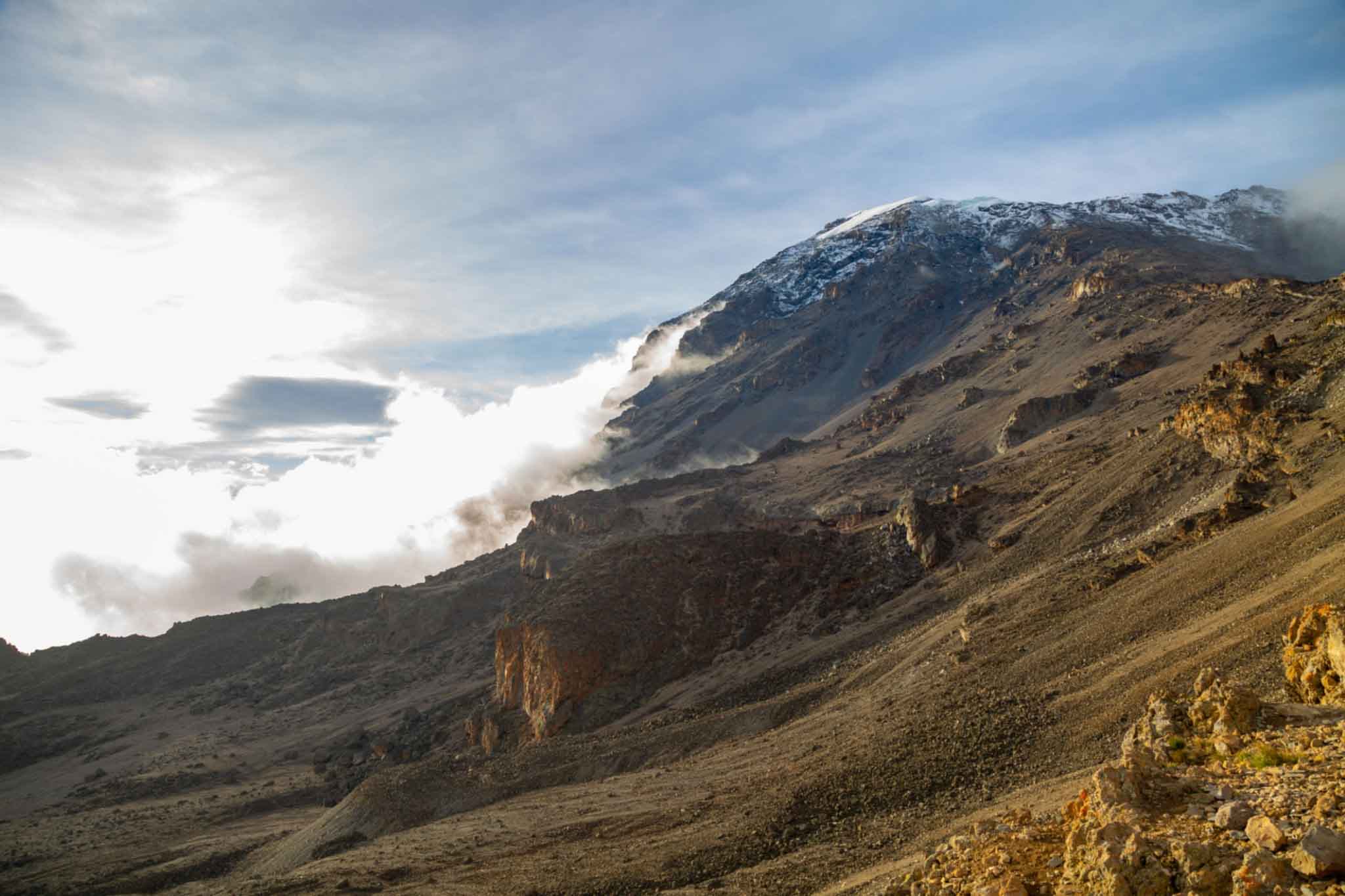
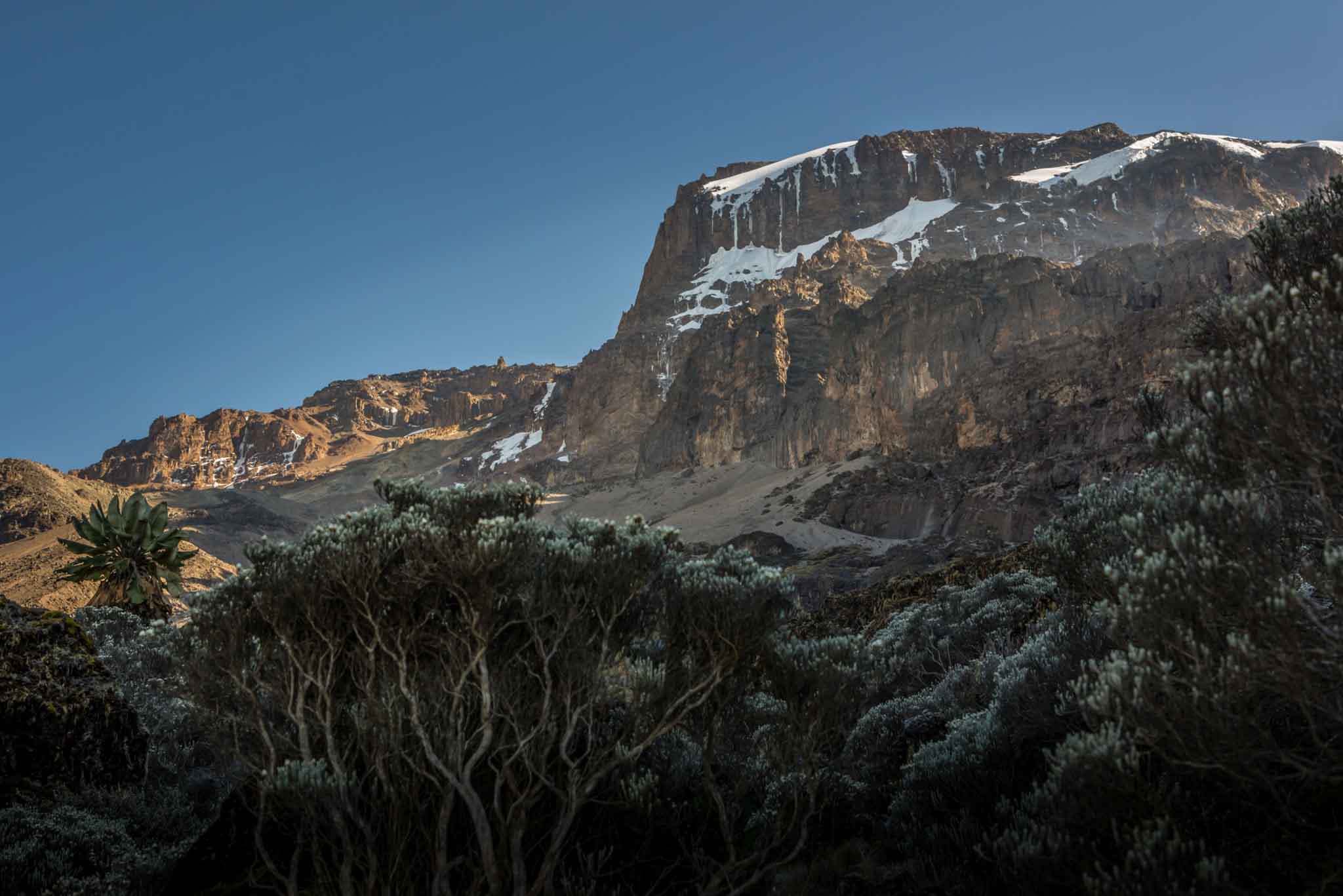
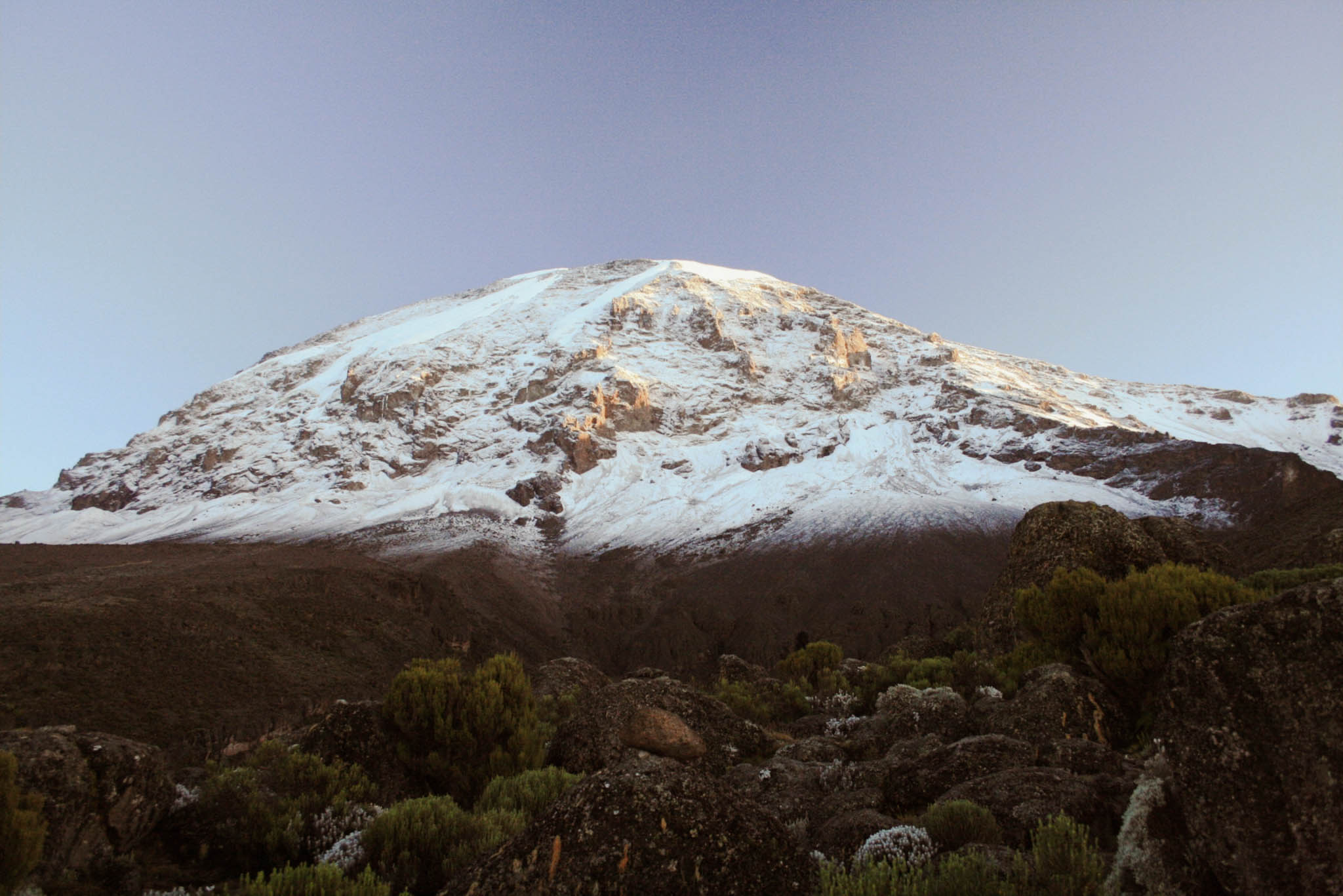
The Umbwe Route is the steepest, most direct and most challenging way up Kilimanjaro — and the least travelled. Approaching from the south, it climbs sharply through forest and along a dramatic ridge before joining the Southern Circuit at Barranco, then summiting via Stella Point and descending the Mweka route. Its fast, steep ascent gives little time to acclimatise, so Umbwe is best suited to fit, experienced trekkers who acclimatise well and want a genuine challenge away from the crowds.
Route at a Glance
Character: Steepest, most direct and most challenging Kilimanjaro route
Start gate: Umbwe Gate, southern Kilimanjaro
Finish gate: Mweka Gate, south
Summit: Uhuru Peak, 5,895m (via Stella Point)
Accommodation: Full-service camping
Difficulty: Very challenging — steep, with limited acclimatisation
Best for: Fit, experienced trekkers seeking a hard, quiet climb
Crowds: The quietest route on the mountain in its early days
Why Choose the Umbwe Route
The toughest, most direct challenge. Umbwe is the closest thing to a mountaineering-style ascent on Kilimanjaro — short, steep and demanding, for trekkers who want to test themselves.
The quietest early days on the mountain. For the first two days you’ll hardly see another climber, making Umbwe the most solitary route on Kilimanjaro before it joins the busier Southern Circuit.
Spectacular ridge views. The steep early ridge between two river gorges offers some of the finest views on the mountain, well before the summit.
Difficulty & Success Rate
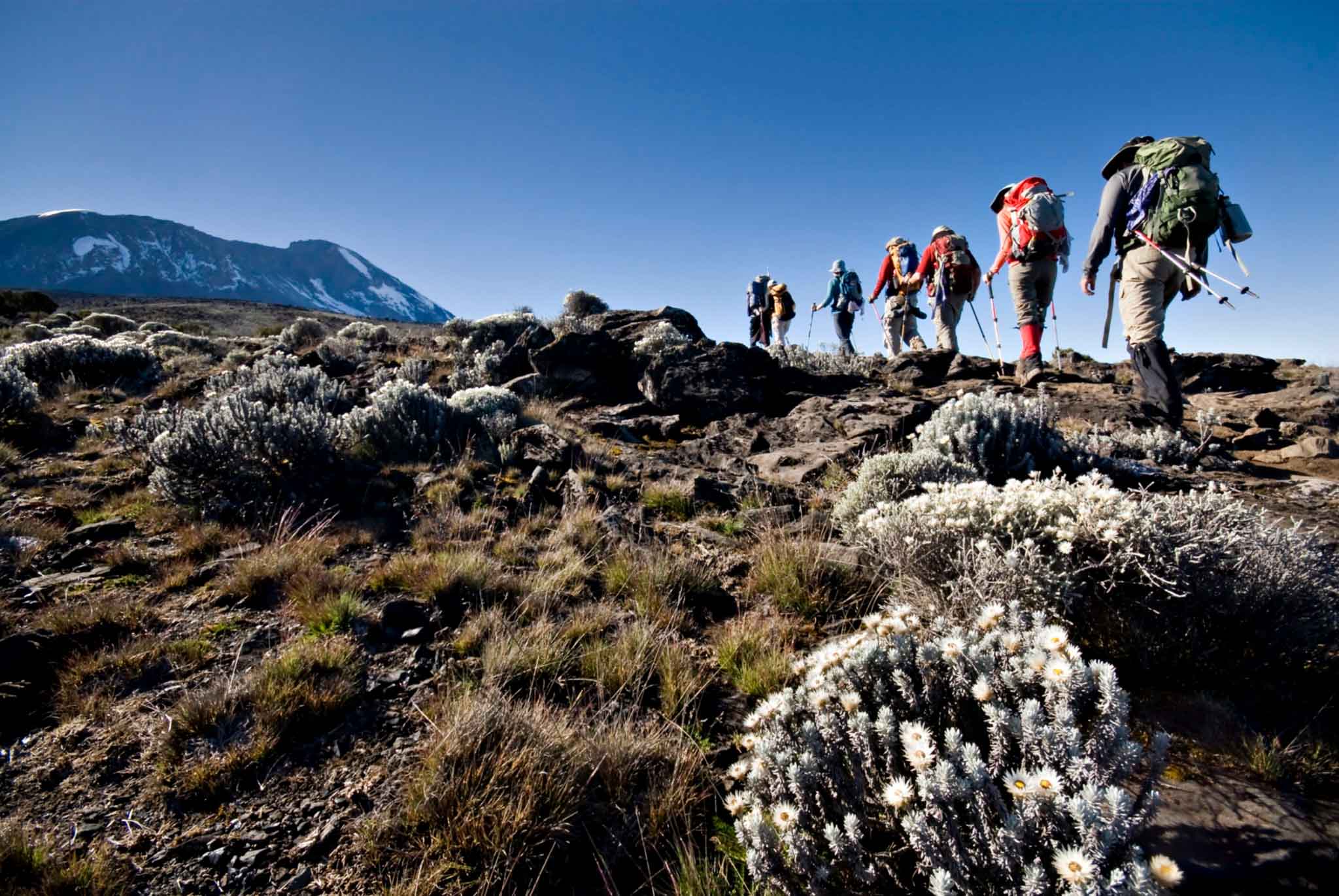
Umbwe is widely considered the hardest route on Kilimanjaro. It’s still a non-technical climb — no ropes or mountaineering skills required — but the first two days are steep, sometimes muddy, and involve scrambling over rocks and tree roots. The real issue is acclimatisation: the rapid ascent gives your body little time to adjust, which is why Umbwe has one of the lower success rates on the mountain and is recommended only for fit, experienced trekkers who acclimatise well. For most climbers, a longer route such as Lemosho or the Northern Circuit is a wiser and more comfortable choice.
Best Time to Climb
Umbwe is best climbed in the dry seasons — January to mid-March and June to October — when the steep early forest trail is firmer and less slippery. Its difficulty makes the wetter months particularly unappealing on this route.
Who Should Climb Umbwe?
Umbwe suits experienced high-altitude trekkers who are confident in their fitness and acclimatisation, and who value solitude and challenge over comfort. If it’s your first Kilimanjaro climb, or summiting matters more to you than the challenge itself, we’d steer you toward a longer, gentler route with a higher success rate.
How Umbwe Compares
- vs Machame — both start south and share the Southern Circuit, but Umbwe’s first two days are far steeper and quieter; Machame acclimatises better.
- vs Lemosho / Northern Circuit — those longer routes are the opposite of Umbwe: gradual, scenic and high-success. Choose them for comfort and summit odds, Umbwe for challenge.
Explore all our routes: Machame · Lemosho · Marangu · Rongai · Northern Circuit
Interested in the Umbwe Route?
Umbwe is a specialist climb we arrange on request for experienced trekkers. Get in touch and we’ll help you plan it — or recommend the best route for your experience and goals.
Other Kilimanjaro Routes

Frequently Asked Questions
Kilimanjaro Trekking
WhatsApp ChatQuestions? Doubts?Chat with us via WhatsAppWe will respond as soon as possible. - Experiences