English
-
Destinations
- Experiences
- Kilimanjaro
- Trip Ideas Skip to the content
Trip Highlights
What to expect on this trip
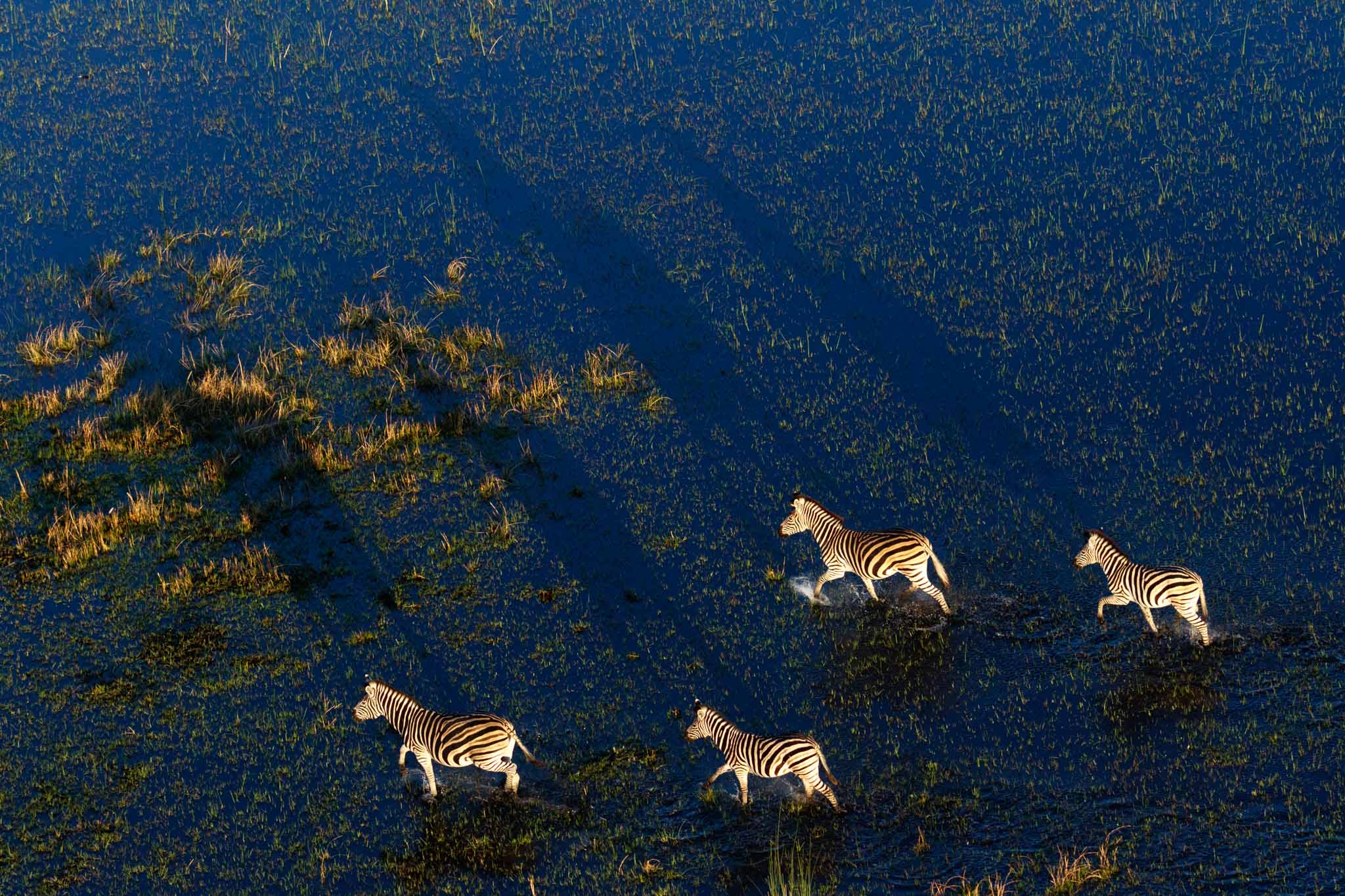
Tanzania hosts some of Africa's largest elephant concentrations, and Tarangire is where you'll find them — huge breeding herds crossing the Tarangire River beneath ancient baobab trees.
Step inside the world's largest intact volcanic caldera, where lions, black rhino, elephant, buffalo, and hippo share 260 km² of enclosed wilderness — one of Africa's most reliable Big Five destinations.
Compact but full of surprises, Lake Manyara is home to thousands of flamingos, a groundwater forest teeming with primates, and the park's famously elusive tree-climbing lions.
Shared transport and public campsites keep costs down, but the wildlife doesn't know that. This is the same northern circuit the big operators run — just without the lodge price tag.
3 days
Tarangire, Ngorongoro & Lake Manyara SafariFrom$ 680 USDPrice per Person - Joining Safari- Your Itinerary
-
01 Day 01
Arusha / Moshi → Tarangire National Park
Arusha / Moshi → Tarangire National Park
Your safari starts with an early morning pickup from your hotel in Arusha or Moshi. You'll meet your guide and travel companions before heading south on the main highway towards Tarangire — a drive of about two to two and a half hours. Once inside the park, the landscape shifts immediately: baobab trees appear on the horizon, the Tarangire River winds through dry savannah, and the game viewing begins in earnest. Tarangire is particularly famous for the sheer size of its elephant herds. During the dry season, hundreds of elephants gather along the river, sharing the ground with giraffes, zebras, wildebeest, impala, warthogs, and an extraordinary variety of birdlife — over 550 species have been recorded here. A full afternoon game drive gives you time to explore the main circuit before exiting the park as the sun drops low. You'll spend the night at a budget campsite in Mto wa Mbu, a lively village just outside the park, with dinner included.
- Continue with the other day
-
02 Day 02
Ngorongoro Conservation Area
Ngorongoro Conservation Area
An early breakfast, then the drive up through the Ngorongoro Highlands — cool, mist-covered hills covered in montane forest where you can spot buffalo and bushbuck grazing at the roadside. At the crater rim, you get your first look down into the caldera: a vast, green-floored basin stretching 19 kilometres across, sheltered on all sides by walls that rise up to 600 metres. The descent into the crater is one of those moments that's hard to describe until you're in it. The density of wildlife on the crater floor is remarkable — it's a self-contained ecosystem, which means the animals have nowhere to go and no reason to leave. Lions are commonly spotted resting on open plains, while black rhino (one of the most endangered large mammals in the world) are sighted here more reliably than almost anywhere else in East Africa. The day ends with an ascent back out of the crater and the drive down to Mto wa Mbu, where you'll spend a second night at the budget campsite, with breakfast, a picnic lunch, and dinner all included.
- Continue with the other day
-
03 Day 03
Lake Manyara National Park → Arusha / Moshi
Lake Manyara National Park → Arusha / Moshi
After breakfast at camp, the final morning of the safari takes you to Lake Manyara — a soda lake hemmed between the Great Rift Valley escarpment and the open floodplains, surrounded by one of the most biologically rich groundwater forests in East Africa. It's smaller than the other parks on this circuit, but it packs a lot in. The forest zone is worth taking slowly — troops of olive baboons move through the canopy, blue monkeys leap between fig trees, and the tree-climbing lions (unique to this park) are sometimes found draped across branches just metres above the vehicle. Out on the floodplains, thousands of flamingos gather on the alkaline shoreline alongside pelicans, storks, herons, and more. After a final game drive and lunch, you'll head back to Arusha or Moshi, where the safari ends. Breakfast and lunch are included on this final day, and airport transfers to Arusha, Moshi, or Kilimanjaro International Airport (JRO) are available on request.
Included
What's included
-
✓ Shared 4×4 safari vehicle with pop-up roof & experienced English-speaking driver-guide
-
✓ 2 nights budget camping at Mto wa Mbu (outside the parks)
-
✓ All meals as specified — breakfast, lunch & dinner daily
-
✓ All national park & conservation area fees, including Ngorongoro crater descent
-
✓ Bottled drinking water, hotel pickups and drop-offs in Arusha or Moshi
Not Included
What's not included
-
✗ International and domestic flights
-
✗ Tanzania tourist visa fees
-
✗ Travel insurance (strongly recommended)
-
✗ Tips and gratuities for guide and camp staff
-
✗ Personal items, alcoholic beverages, souvenirs & any services not listed above
Get inspired
with your safari styleSpell-binding safaris paired with beachside bliss
Frequently Asked Questions
Travel Info at glance
WhatsApp ChatQuestions? Doubts?Chat with us via WhatsAppWe will respond as soon as possible. - Experiences