English

-
Destinations
- Experiences
- Kilimanjaro
- Trip Ideas Skip to the content
Lemosho Route
Lemosho Route Overview
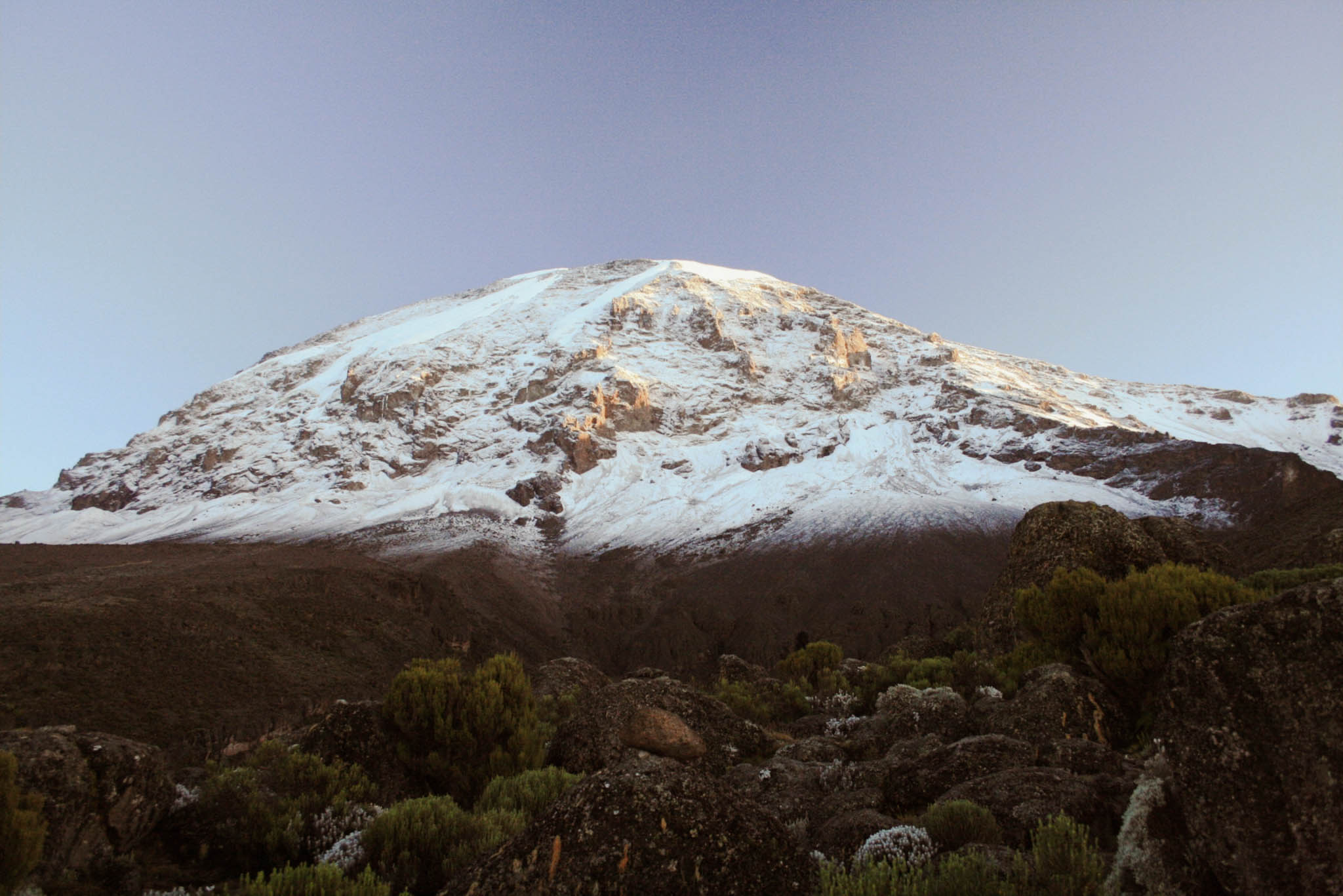
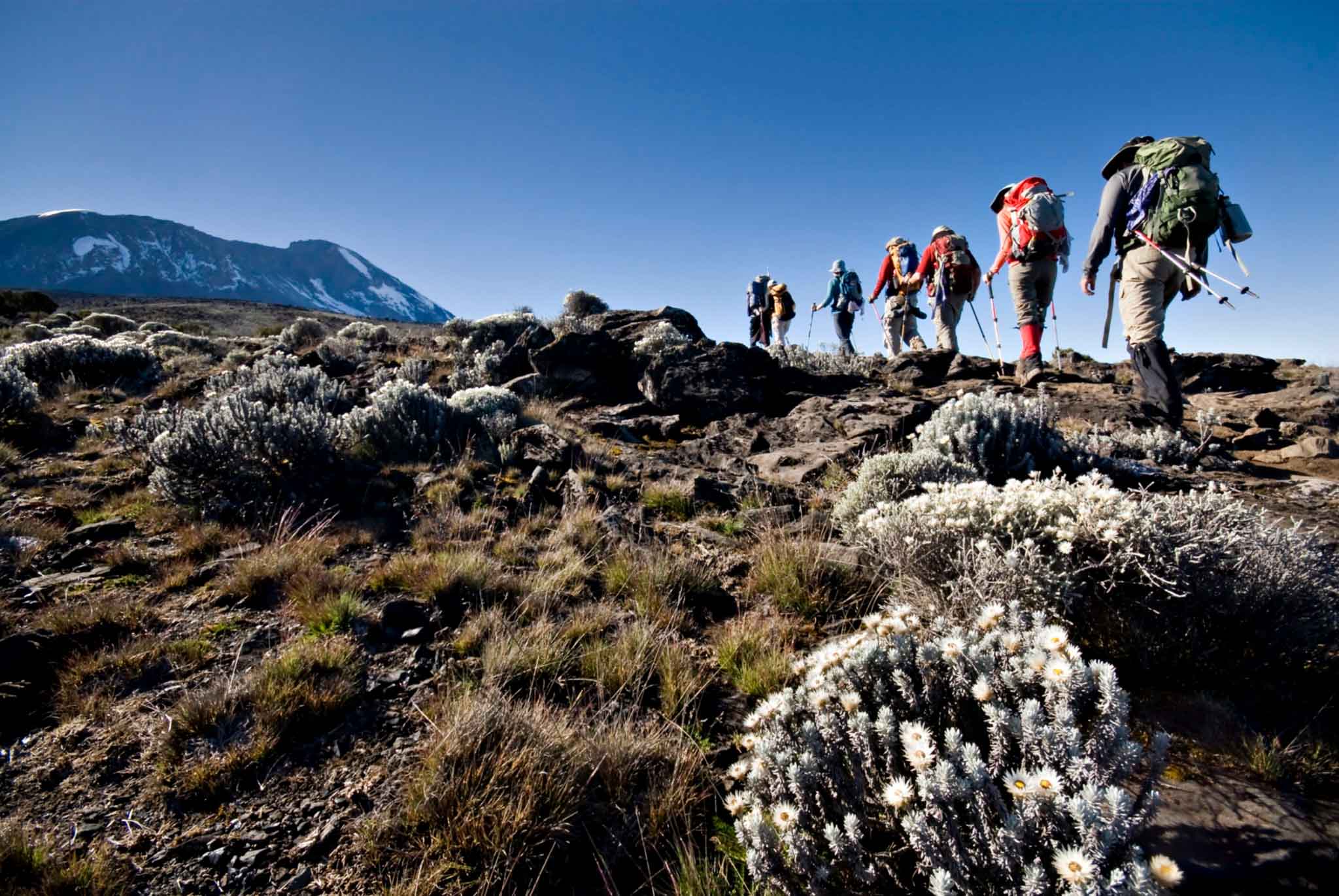
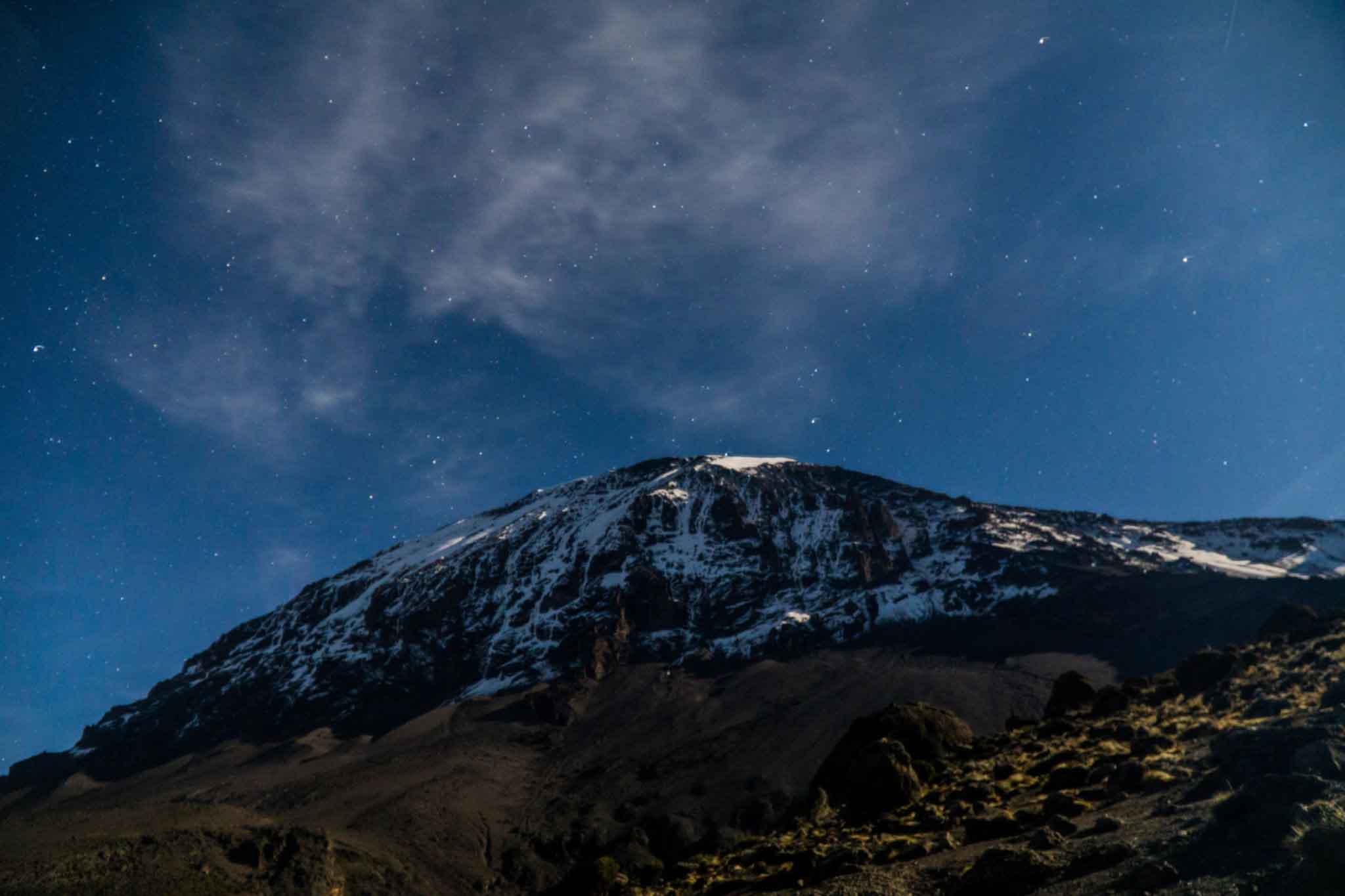
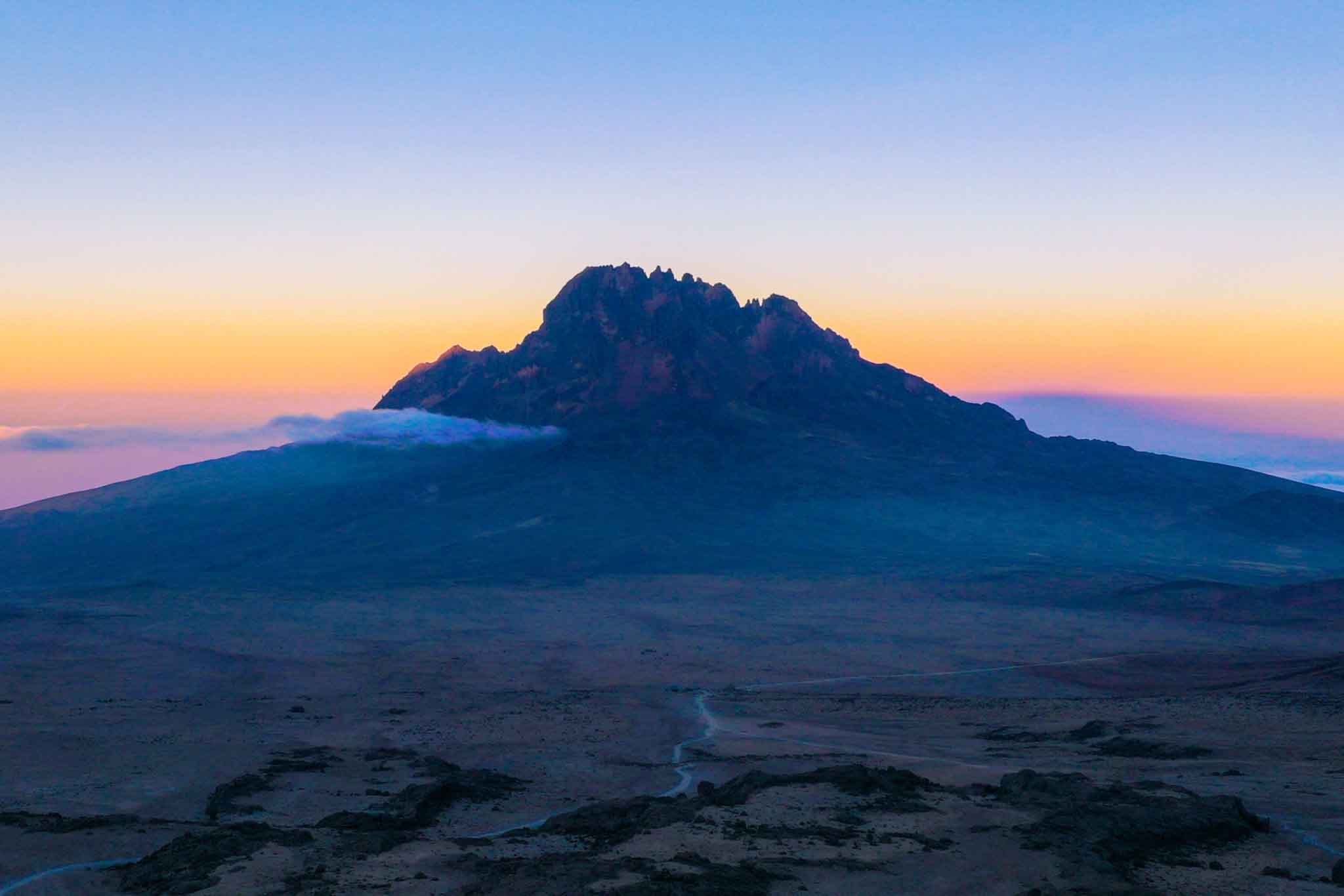
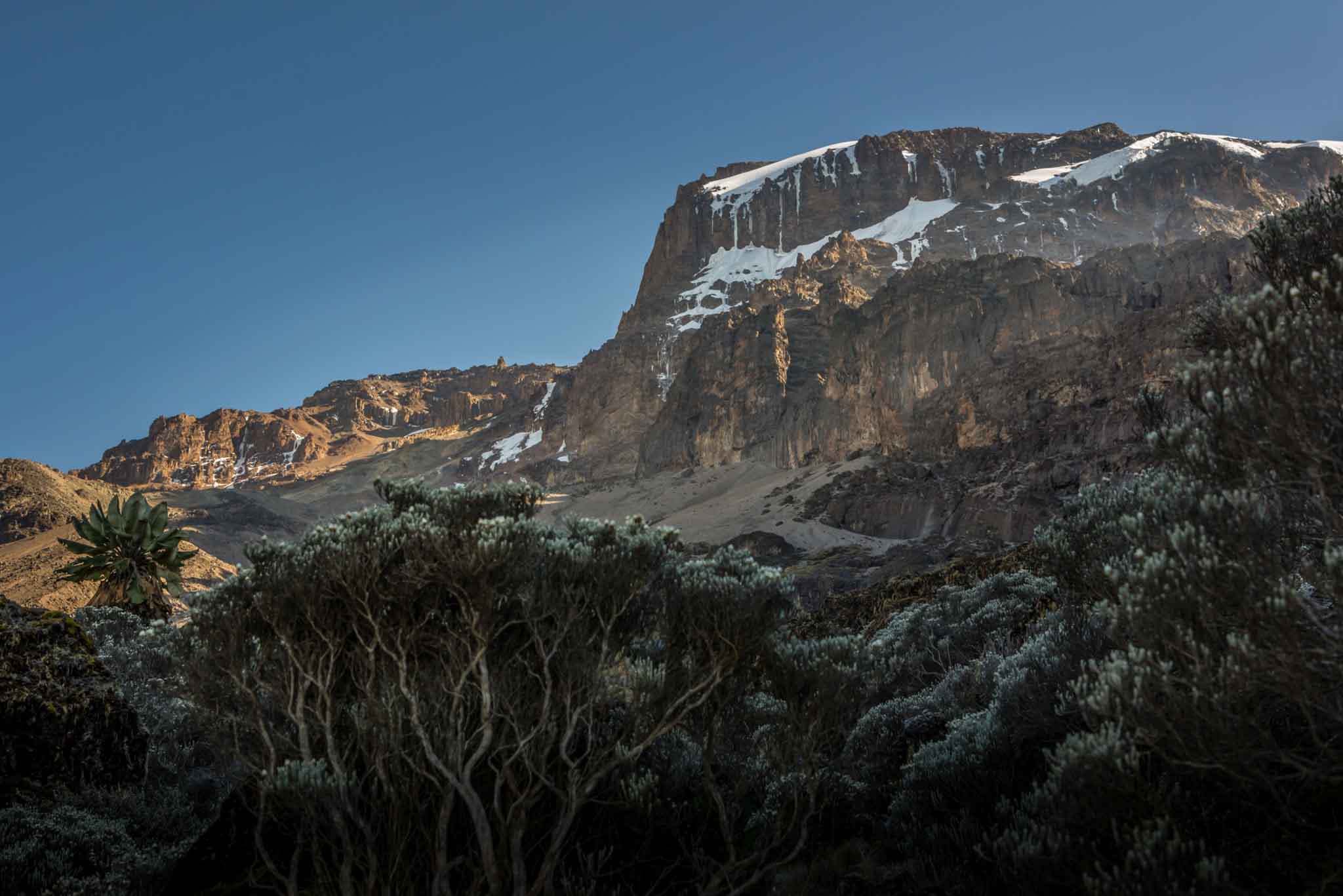
The Lemosho Route is widely regarded as the most scenic way up Kilimanjaro — and, thanks to its long, gradual profile, one of the highest for summit success. Approaching from the quiet western side, it begins deep in undisturbed rainforest, crosses the vast Shira Plateau, and follows the dramatic Southern Circuit past Lava Tower and the Great Barranco Wall before the summit push to Uhuru Peak at 5,895m. Over seven days it offers the mountain’s best balance of scenery, solitude in the early stages, and the acclimatisation time that gets climbers to the top.
Route at a Glance
Duration: 7 days on the mountain
Start gate: Lemosho Gate (2,100m), western Kilimanjaro
Finish gate: Mweka Gate (1,640m), south
Summit: Uhuru Peak, 5,895m
Base camp: Barafu Camp (4,640m)
Accommodation: Full-service camping
Difficulty: Moderate — one non-technical wall scramble
Best for: Scenery, best acclimatisation, first-timers wanting high success
Scenery highlights: Shira Plateau · Lava Tower · Barranco Wall
Success rate: Between 80% and 85%
Why Choose the Lemosho Route
The best acclimatisation on the mountain. Seven days and the Lava Tower “climb high, sleep low” profile give your body more time to adapt than most standard routes — the single biggest factor in reaching the summit.
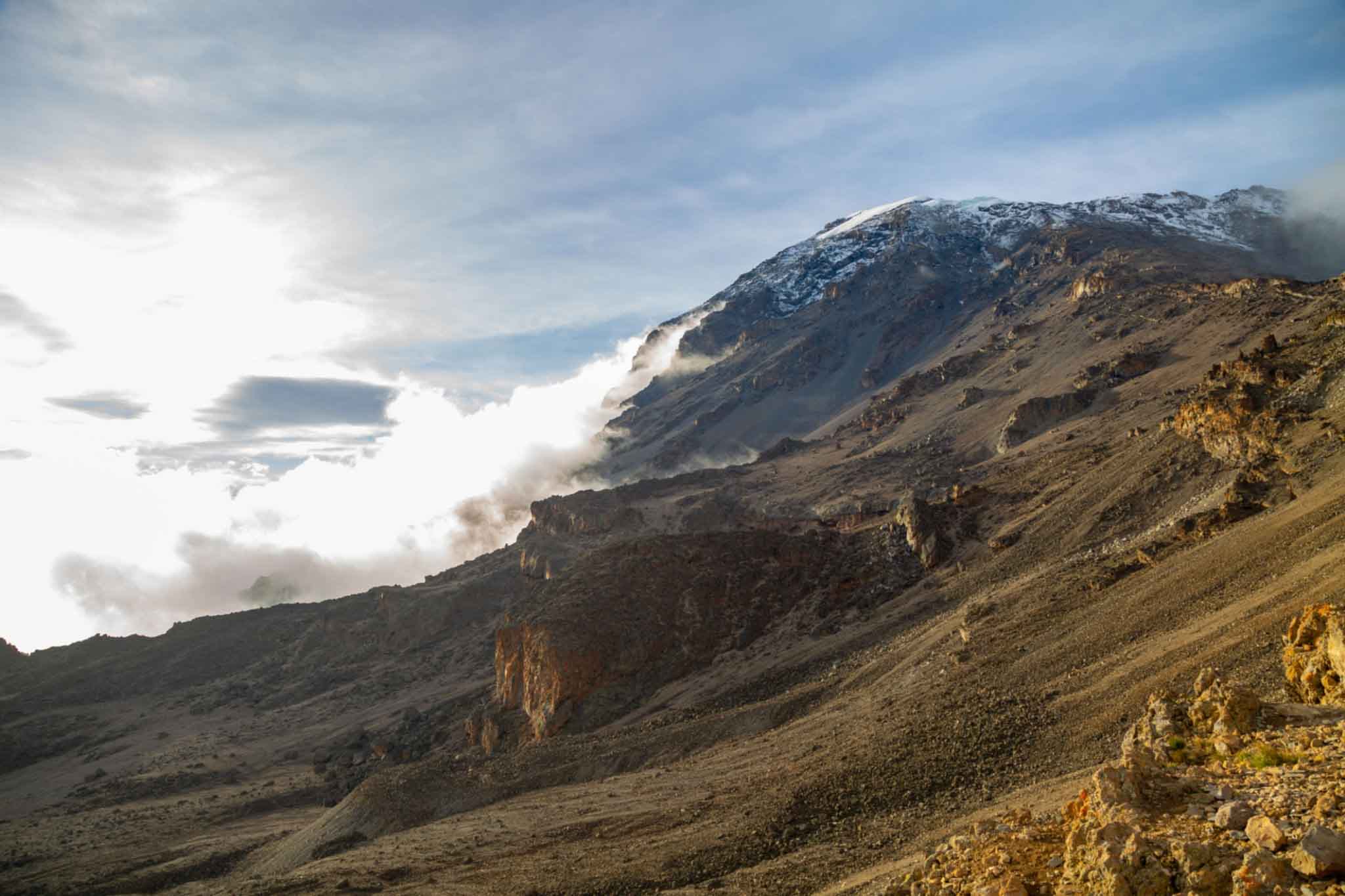
The most scenic trail on Kilimanjaro. From dense western rainforest to the wind-swept Shira Plateau, the alien-looking giant Senecio plants, Lava Tower and the glacier views above Barranco — Lemosho packs in the mountain’s most varied and dramatic landscapes.
Quiet in the early stages. The western approach sees far fewer climbers than Machame or Marangu. The forests and plateau feel genuinely remote until the trail joins the Southern Circuit higher up.
The Barranco Wall. The morning scramble up the Great Barranco Wall is the route’s signature moment — a non-technical but hands-on climb rewarded with some of the finest views on the mountain.
Itinerary Summary
A day-by-day overview of the seven-day climb. (For the full detailed itinerary with elevations, inclusions and to book, see our 7-Day Lemosho Route package.)
Day 1 — Lemosho Gate (2,100m) to Mti Mkubwa Camp (2,780m). Rainforest trek, ~7 km, colobus monkeys in the canopy.
Day 2 — Mti Mkubwa to Shira 2 Camp (3,900m). The longest day, ~14 km, climbing onto the vast Shira Plateau with Kibo ahead.
Day 3 — Shira 2 to Lava Tower (4,640m) to Barranco Camp (3,960m). Climb high, sleep low; lunch at Lava Tower, then a dramatic descent beneath the Barranco Wall.
Day 4 — Barranco to Karanga Camp (4,035m). The famous Barranco Wall scramble, then a short rest-stage day to consolidate acclimatisation.
Day 5 — Karanga to Barafu Camp (4,640m). A short but serious climb to base camp; early night before the summit.
Day 6 — Summit Night: Barafu to Uhuru Peak (5,895m), descend to Mweka Camp (3,080m). Midnight start via Stella Point (5,756m) to the roof of Africa at sunrise, then the long descent.
Day 7 — Mweka Camp to Mweka Gate (1,640m). Forest descent, the traditional crew farewell song, and your summit certificate.
➡️ See the full day-by-day itinerary and book the 7-Day Lemosho Route →
Difficulty & Success Rate
Lemosho is a moderate route with no technical mountaineering — the one hands-on section, the Barranco Wall, is a well-worn scramble that looks harder from below than it is. What sets Lemosho apart is its acclimatisation profile: seven days on the mountain and the Lava Tower “climb high, sleep low” design give your body more time to adjust than shorter routes. This is why our 7-day Lemosho climb records an approximate 80–85% summit success rate — among the highest on Kilimanjaro. The altitude remains the real challenge, as on every route, but few trails give you better odds of standing on Uhuru Peak.
Best Time to Climb the Lemosho Route
Lemosho is best climbed in Kilimanjaro’s two dry seasons: January to mid-March and June to October, when skies are clearest and trail conditions best. The route can be walked year-round, but the wetter months (April–May and November) bring muddier forest sections on the western approach.
Weather & Terrain
Lemosho passes through every one of Kilimanjaro’s climate zones in a single climb — from humid montane rainforest at the gate, up through heath and moorland onto the exposed Shira Plateau, into the high alpine desert around Lava Tower and Barafu, and finally the arctic summit zone at Uhuru Peak. Temperatures range from warm and humid in the forest to well below freezing on summit night, so layering is essential and a sleeping bag rated to around -15°C is required.
Accommodation on the Route
Lemosho is a full-service camping route. You sleep in quality tents pitched and struck each day by your crew, with a shared mess tent, hot meals prepared by a mountain cook, and bottled/boiled water throughout. Your camps follow the classic western-to-southern progression: Mti Mkubwa (Big Tree Camp), Shira 2, Barranco, Karanga and Barafu base camp, before the final night at Mweka on descent. A full team of licensed guides, cook and porters supports you the whole way.
How Lemosho Compares to Other Routes
vs Machame — Lemosho starts further west with an extra day, so it’s quieter early on and acclimatises better; the two share the scenic Southern Circuit (Lava Tower, Barranco, Barafu).
vs Marangu — Marangu is shorter and uses huts, but has a lower success rate; Lemosho is more scenic, camps throughout, and summits far more reliably.
vs Rongai — Rongai is the quiet dry-season northern option; Lemosho is more scenic with better acclimatisation, at a slightly higher cost.
vs Northern Circuit — the Northern Circuit is the longest, highest-success route of all; Lemosho offers most of the same benefits in fewer days.
Explore all our routes: Machame · Marangu · Rongai · Northern Circuit · Umbwe
Frequently Asked Questions
How many days does the Lemosho Route take? Our Lemosho climb is a 7-day trek on the mountain — a duration chosen specifically for its strong acclimatisation and high summit success. Shorter and longer variations exist, but 7 days offers an excellent balance.
How difficult is the Lemosho Route? It’s a moderate route with no technical climbing. The only hands-on section is the Barranco Wall, a well-worn scramble. As on every Kilimanjaro route, the altitude is the real challenge — which is why Lemosho’s longer, gradual profile is such an advantage.
Is Lemosho good for beginners? Yes. Its gradual ascent and excellent acclimatisation make it one of the best routes for first-time trekkers with a reasonable level of fitness who want the best chance of summiting.
Why is Lemosho considered the best route? It combines the most varied scenery on the mountain with one of the highest success rates, thanks to seven days on the trail and the “climb high, sleep low” Lava Tower day.
When is the best time to climb Lemosho? The dry seasons — January to mid-March and June to October — offer the clearest skies and best trail conditions.
Where does the Lemosho Route start and finish? It starts at Lemosho Gate (2,100m) on the western side and finishes at Mweka Gate (1,640m) in the south, so you traverse the mountain rather than retracing your steps.
Ready to climb Kilimanjaro’s most scenic trail?
Our 7-Day Lemosho Route trek is a private climb, with licensed guides, all park fees and full camping support.
Other Kilimanjaro Routes

Frequently Asked Questions
Kilimanjaro Trekking
WhatsApp ChatQuestions? Doubts?Chat with us via WhatsAppWe will respond as soon as possible. - Experiences