English
-
Destinations
Tanzania Destinations
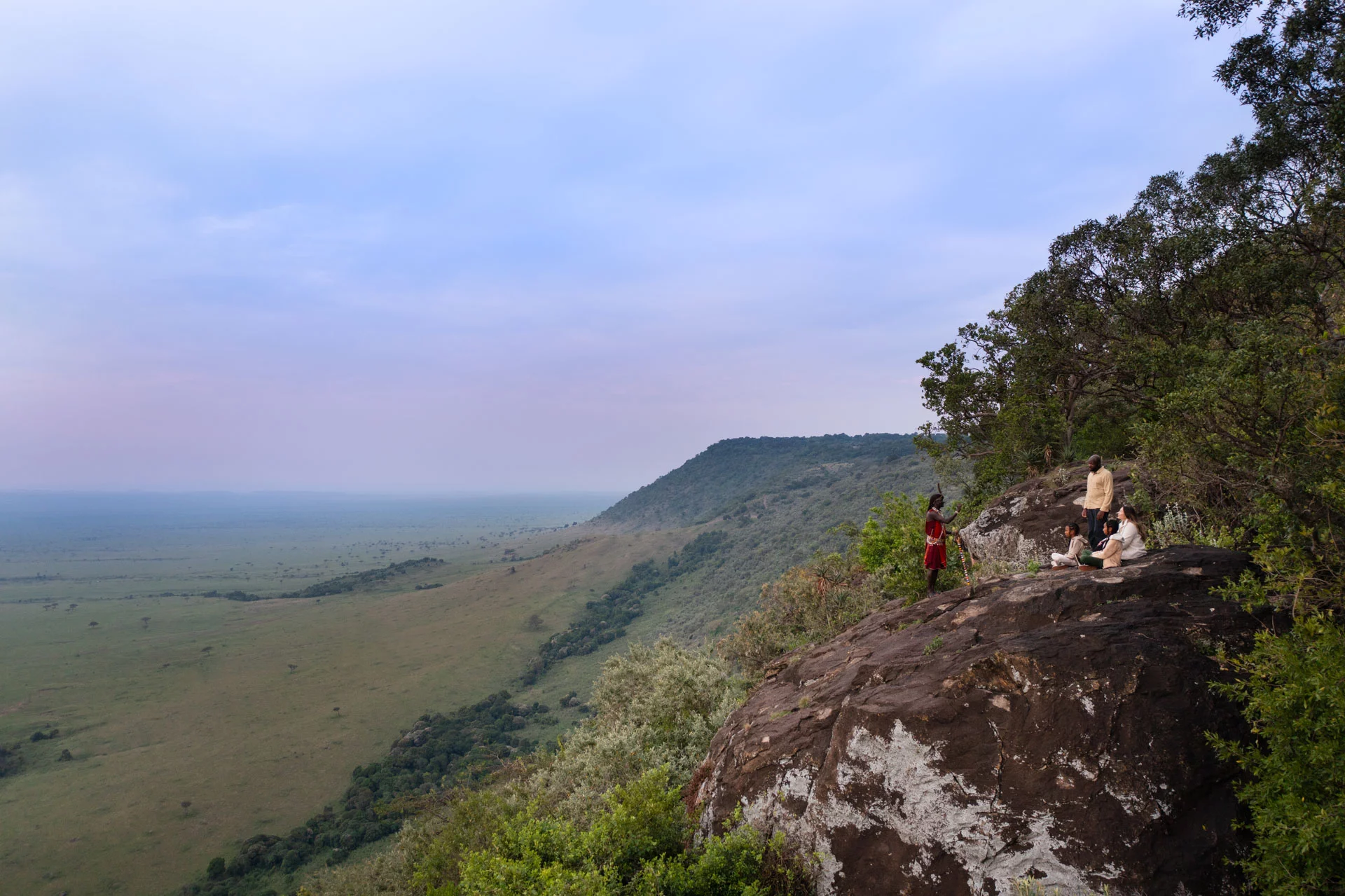
Beyond the classic safari trails, Tanzania offers destinations that cater to every type of explorer. Venture into Uganda’s lush rainforests to encounter the gentle giants of the animal kingdom, or explore Rwanda’s Volcanoes National Park, where encounters with majestic mountain gorillas leave a lasting impression.
- Experiences
Safari Inspirations
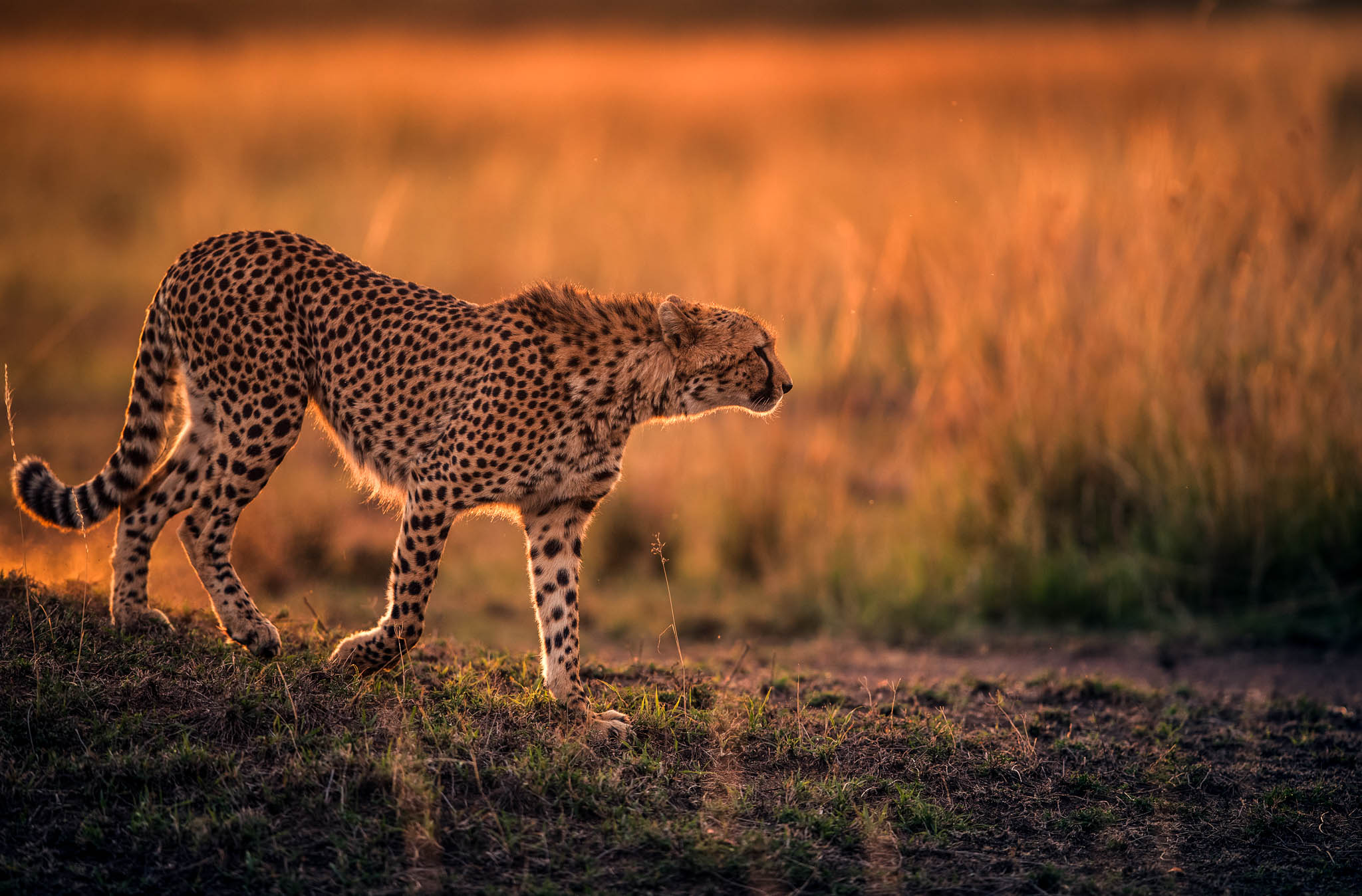
Tanzania is a land of endless safari inspirations, where every journey is an invitation to explore vast landscapes, vibrant cultures, and a rich tapestry of wildlife. From the sweeping plains of the Serengeti to the dramatic highlands of the Rift Valley, the region offers a myriad of experiences that ignite the spirit of adventure.
- Kilimanjaro
Kilimanjaro Trekking
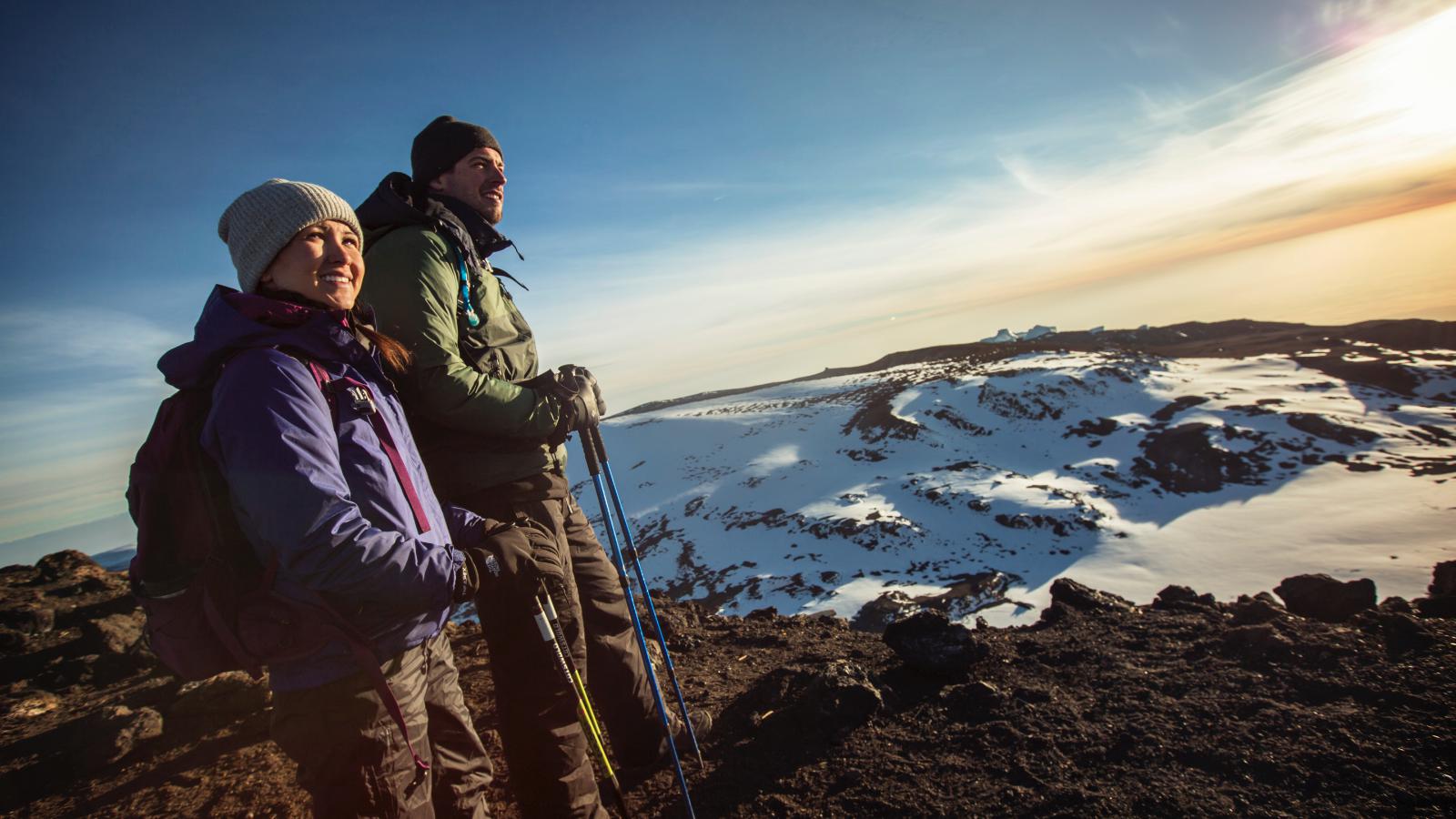
Mount Kilimanjaro, the highest free-standing mountain in the world, has long captured the imagination of adventurers and nature enthusiasts. Its snow-capped peak and diverse ecosystems create a breathtaking backdrop that promises an unforgettable trekking experience.
- Trip Ideas
Skip to the content- Tarangire, Ngorongoro & Lake Manyara Safari 3 days
- Tarangire Serengeti & Ngorongoro Safari 4 days
- Tarangire, Serengeti, Ngorongoro & Lake Manyara Safari 5 days
- Serengeti, Ngorongoro & Lake Eyasi Cultural Safari 6 days
- Tarangire, Serengeti & Ngorongoro Safari 4 days
- Serengeti Safari & Materuni Coffee Tour 5 days
- Serengeti & Ngorongoro Safari 3 days
- Mid-Range Fly-In Safari from Zanzibar 3 days
Trip ideas Packages
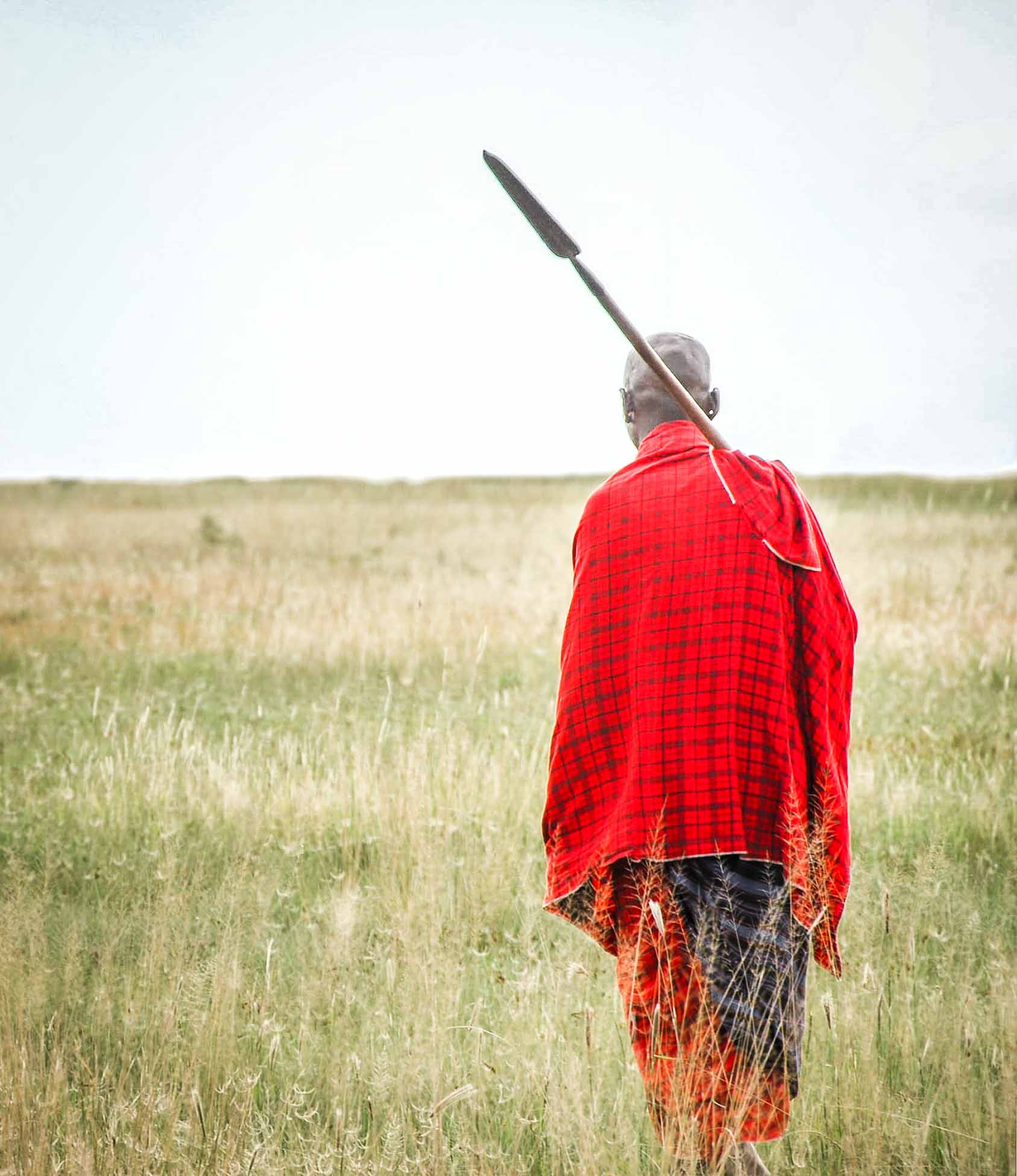
Every safari in Tanzania is more than a trip—it is a journey of self-discovery and a celebration of life’s raw beauty. The landscapes here are not only visually stunning but also full of lessons about resilience, coexistence, and the ever-changing dance of nature
- About us
About Us
Manka Safaris solutions stands out as a premier provider of authentic safari experiences in East Africa, dedicated to offering adventures that are as unique as they are unforgettable.
Trip Highlights
What to expect on this trip
Best Acclimatisation on the Mountain Seven days and the Lava Tower 'climb high, sleep low' profile give your body more time to adapt than any other standard Kilimanjaro route — directly improving your odds of reaching the summit.
The Shira Plateau Crossing Shira from west to east is a full-day walk across one of the world's highest plateaus — open, wind-swept, and unlike anything else on the mountain. Giant Senecio plants line the trail.
Barranco Wall Scramble The morning scramble up the Great Barranco Wall is the most dramatic section of the route — a non-technical but hands-on climb that rewards you with glacier views from the top.
Low Traffic, High Wilderness The Lemosho approach sees far fewer climbers than Machame or Marangu. The western forests and plateau feel genuinely remote, and camp evenings are quiet in a way the busier routes rarely achieve.
- Your Itinerary
-
Arrival Day Day Arrival Day
Kilimanjaro International Airport to your hotel
On arrival at Kilimanjaro International Airport you are met by our team and transferred to your hotel in Moshi or Arusha. The rest of the day is yours to rest and recover from the flight. In the evening your guide runs a full pre-climb briefing and equipment check, so your kit is ready for the mountain. Overnight at your hotel.
Discover more about
On arrival at Kilimanjaro International Airport you are met by our team and transferred to your hotel in Moshi or Arusha. The rest of the day is yours to rest and recover from the flight. In the evening your guide runs a full pre-climb briefing and equipment check, so your kit is ready for the mountain. Overnight at your hotel.
Accommodations options
- Continue with the other day
-
Day 01 Day Day 01
Londorossi Gate to Mti Mkubwa Camp
After breakfast you are collected from your hotel and driven around to Kilimanjaro's western side and the remote Londorossi Gate, the same trailhead as the Lemosho route. After registration you continue a little higher to the trailhead and set off through pristine montane rainforest — one of the wildest stretches of forest on the mountain, where colobus monkeys move through the canopy and birdsong fills the air. The walking is gentle and the atmosphere green and humid. You reach Mti Mkubwa, or 'Big Tree' Camp, a peaceful forest clearing, for your first night.
Discover more about
After breakfast you are collected from your hotel and driven around to Kilimanjaro's western side and the remote Londorossi Gate, the same trailhead as the Lemosho route. After registration you continue a little higher to the trailhead and set off through pristine montane rainforest — one of the wildest stretches of forest on the mountain, where colobus monkeys move through the canopy and birdsong fills the air. The walking is gentle and the atmosphere green and humid. You reach Mti Mkubwa, or 'Big Tree' Camp, a peaceful forest clearing, for your first night.
- Continue with the other day
-
Day 02 Day Day 02
Mti Mkubwa Camp to Shira 1 Camp
The trail leaves the forest and climbs into heath and moorland, the vegetation growing lower and hardier as you gain height. You ascend a steep ridge and emerge onto the vast Shira Plateau, a high-altitude caldera floor with the glaciered dome of Kibo rising ahead and Mount Meru floating on the western horizon. The sense of space is immense. You reach Shira 1 Camp on the plateau as the air cools sharply toward evening. The day builds altitude steadily, and the plateau's open, otherworldly scenery is many trekkers' first taste of Kilimanjaro's true high country.
Discover more about
The trail leaves the forest and climbs into heath and moorland, the vegetation growing lower and hardier as you gain height. You ascend a steep ridge and emerge onto the vast Shira Plateau, a high-altitude caldera floor with the glaciered dome of Kibo rising ahead and Mount Meru floating on the western horizon. The sense of space is immense. You reach Shira 1 Camp on the plateau as the air cools sharply toward evening. The day builds altitude steadily, and the plateau's open, otherworldly scenery is many trekkers' first taste of Kilimanjaro's true high country.
- Continue with the other day
-
Day 03 Day Day 03
Shira 1 Camp to Moir Hut
A steady climb takes you across the Shira Plateau and up toward Moir Hut, a quiet, little-used camp tucked in a valley on the mountain's northern flank. Set at around 4,200m, it marks the point where the Northern Circuit leaves the busier southern trails behind for good. There is time on arrival for an acclimatisation walk up a nearby ridge, climbing higher before sleeping low — the pattern that makes this route so effective. From here on you will have the remote northern slopes almost entirely to yourself, a rare experience on Africa's most-climbed mountain.
Discover more about
A steady climb takes you across the Shira Plateau and up toward Moir Hut, a quiet, little-used camp tucked in a valley on the mountain's northern flank. Set at around 4,200m, it marks the point where the Northern Circuit leaves the busier southern trails behind for good. There is time on arrival for an acclimatisation walk up a nearby ridge, climbing higher before sleeping low — the pattern that makes this route so effective. From here on you will have the remote northern slopes almost entirely to yourself, a rare experience on Africa's most-climbed mountain.
- Continue with the other day
-
Day 04 Day Day 04
Moir Hut to Buffalo Camp
Today the circuit proper begins as you round onto Kilimanjaro's northern slopes, the quietest and most remote part of the entire mountain. The trail undulates through high alpine desert and open moorland, with sweeping views north across the plains toward the Kenyan border. Few climbers ever see this side, and the solitude is profound. You climb over a ridge and descend to Buffalo Camp, named for the wildlife that once ranged here. Each rise and fall of the path is quietly building your acclimatisation — the long, gradual profile that gives this route its reputation for high summit success.
Discover more about
Today the circuit proper begins as you round onto Kilimanjaro's northern slopes, the quietest and most remote part of the entire mountain. The trail undulates through high alpine desert and open moorland, with sweeping views north across the plains toward the Kenyan border. Few climbers ever see this side, and the solitude is profound. You climb over a ridge and descend to Buffalo Camp, named for the wildlife that once ranged here. Each rise and fall of the path is quietly building your acclimatisation — the long, gradual profile that gives this route its reputation for high summit success.
- Continue with the other day
-
Day 05 Day Day 05
Buffalo Camp to Rongai Third Cave
The traverse of the northern slopes continues, climbing over the Buffalo Ridge before descending into a valley and on to Third Cave. The landscape is stark and beautiful — rolling high desert under an enormous sky, with the summit cone always ahead. This is walking for its own sake, unhurried and remote, with the altitude gain kept gentle by design. Third Cave sits at around 3,900m, and the extra time spent at these heights is doing invisible but vital work, preparing your body for the thinner air above. Solitude and space define this stretch of the climb.
Discover more about
The traverse of the northern slopes continues, climbing over the Buffalo Ridge before descending into a valley and on to Third Cave. The landscape is stark and beautiful — rolling high desert under an enormous sky, with the summit cone always ahead. This is walking for its own sake, unhurried and remote, with the altitude gain kept gentle by design. Third Cave sits at around 3,900m, and the extra time spent at these heights is doing invisible but vital work, preparing your body for the thinner air above. Solitude and space define this stretch of the climb.
- Continue with the other day
-
Day 06 Day Day 06
Third Cave to School Hut
You turn now toward the summit, climbing steadily up the northern side of Kibo toward School Hut, the base for your final ascent. The trail crosses bleak, boulder-strewn alpine desert, the air noticeably thinner with every hundred metres gained. It is a shorter day by design, arriving early in the afternoon so you can rest, eat and prepare. Your guides will check your kit and brief you for the night ahead. You try to sleep through the evening, because a few hours later, near midnight, you will rise for the climb to the roof of Africa.
Discover more about
You turn now toward the summit, climbing steadily up the northern side of Kibo toward School Hut, the base for your final ascent. The trail crosses bleak, boulder-strewn alpine desert, the air noticeably thinner with every hundred metres gained. It is a shorter day by design, arriving early in the afternoon so you can rest, eat and prepare. Your guides will check your kit and brief you for the night ahead. You try to sleep through the evening, because a few hours later, near midnight, you will rise for the climb to the roof of Africa.
- Continue with the other day
-
Day 07 Day Day 07
Summit Day: School Hut to Uhuru Peak, descend to Millennium Camp
Around midnight you set out into the cold and dark, climbing steep scree by headtorch toward the crater rim at Gilman's Point. From there the route follows the rim, past glinting glaciers, to Uhuru Peak — the highest point in Africa at 5,895m — reached near sunrise after the long acclimatisation of the days before. The views over the ice fields and the curve of the earth are the reward for a week's patient climbing. After photographs you begin the long descent, dropping through the alpine desert to the welcome green and thicker air of Millennium Camp.
Discover more about
Around midnight you set out into the cold and dark, climbing steep scree by headtorch toward the crater rim at Gilman's Point. From there the route follows the rim, past glinting glaciers, to Uhuru Peak — the highest point in Africa at 5,895m — reached near sunrise after the long acclimatisation of the days before. The views over the ice fields and the curve of the earth are the reward for a week's patient climbing. After photographs you begin the long descent, dropping through the alpine desert to the welcome green and thicker air of Millennium Camp.
- Continue with the other day
-
Day 08 Day Day 08
Millennium Camp to Mweka Gate
The final morning is a long, gentle descent through moorland and back into lush rainforest, the air warming and thickening as the summit cold falls away behind you. The walking is easy and the mood celebratory. At Mweka Gate you sign out and receive your summit certificates — gold for those who stood on Uhuru Peak — then are driven back and dropped at your hotel in Moshi or Arusha. Having circled the mountain from west to north to south, you finish with a fuller picture of Kilimanjaro than almost any route offers. Overnight at your hotel.
Discover more about
The final morning is a long, gentle descent through moorland and back into lush rainforest, the air warming and thickening as the summit cold falls away behind you. The walking is easy and the mood celebratory. At Mweka Gate you sign out and receive your summit certificates — gold for those who stood on Uhuru Peak — then are driven back and dropped at your hotel in Moshi or Arusha. Having circled the mountain from west to north to south, you finish with a fuller picture of Kilimanjaro than almost any route offers. Overnight at your hotel.
Accommodations options
- Continue with the other day
-
Departure Day Day Departure Day
your hotel to the airport
After a relaxed breakfast you are transferred to Kilimanjaro International Airport for your onward flight. If you have booked a safari or a Zanzibar beach extension, your next adventure begins here instead. Either way, you leave with your certificate, your photographs and the memory of standing on the roof of Africa.
Discover more about
After a relaxed breakfast you are transferred to Kilimanjaro International Airport for your onward flight. If you have booked a safari or a Zanzibar beach extension, your next adventure begins here instead. Either way, you leave with your certificate, your photographs and the memory of standing on the roof of Africa.
Included
What's included
-
✓ Experienced mountain guide, cook and full porter team throughout all 7 days
-
✓ 6 nights tented camp accommodation with all meals as specified daily
-
✓ All Kilimanjaro National Park fees, rescue fee and summit certificate
-
✓ Return transfers from Arusha or Moshi; bottled water and hot drinks on the mountain
-
✓ Airport transfers (Kilimanjaro International or Arusha Airport)
Not Included
What's not included
-
✗ International flights, Tanzania tourist visa fees, and travel insurance (must cover high-altitude trekking to 5,895m)
-
✗ Tips and gratuities for guide, cook and porters
-
✗ Personal trekking gear (boots, warm layers, sleeping bag rated to -15°C, trekking poles)
-
✗ Alcoholic beverages and any services not listed above
Get inspired
with your safari styleSpell-binding safaris paired with beachside bliss
Frequently Asked Questions
Travel Info at glance
What should I wear on a safari day?Wear lightweight, neutral-colored clothing (like khaki or beige) to stay cool and blend into the environment. Comfortable walking shoes, a hat, and sunglasses are also recommended. Early mornings and evenings can be chilly, so bring a light jacket.
What time do safari game drives usually start and end?Morning game drives typically start around 6:00 AM and last 3–4 hours, while afternoon or evening drives begin around 3:00–4:00 PM and return by sunset. Exact times may vary depending on the season and your lodge’s schedule.
Is it safe to go on a safari?Yes, safaris are safe when conducted by professional guides who follow park rules. Always remain in the vehicle unless instructed otherwise and avoid sudden movements or loud noises near wildlife.
Will I see all the Big Five during my safari?Sightings vary and are never guaranteed as animals roam freely. However, with experienced guides and multiple game drives, your chances of spotting the Big Five—lion, leopard, rhino, elephant, and buffalo—are high in many national parks.
What should I bring with me on a game drive?Bring binoculars, a camera, sunscreen, insect repellent, water, and a small snack. Your guide may also provide some of these items, but it’s best to come prepared.
WhatsApp ChatQuestions? Doubts?Chat with us via WhatsAppWe will respond as soon as possible. - Experiences