English
-
Destinations
- Experiences
- Kilimanjaro
- Trip Ideas Skip to the content
Trip Highlights
What to expect on this trip
A Night at Gran Meliá Arusha Start on the right foot. Gran Meliá sits on a working coffee plantation with Mount Meru on the horizon — a proper night's rest and a good dinner before the safari begins, rather than rushing straight to a park on day one.
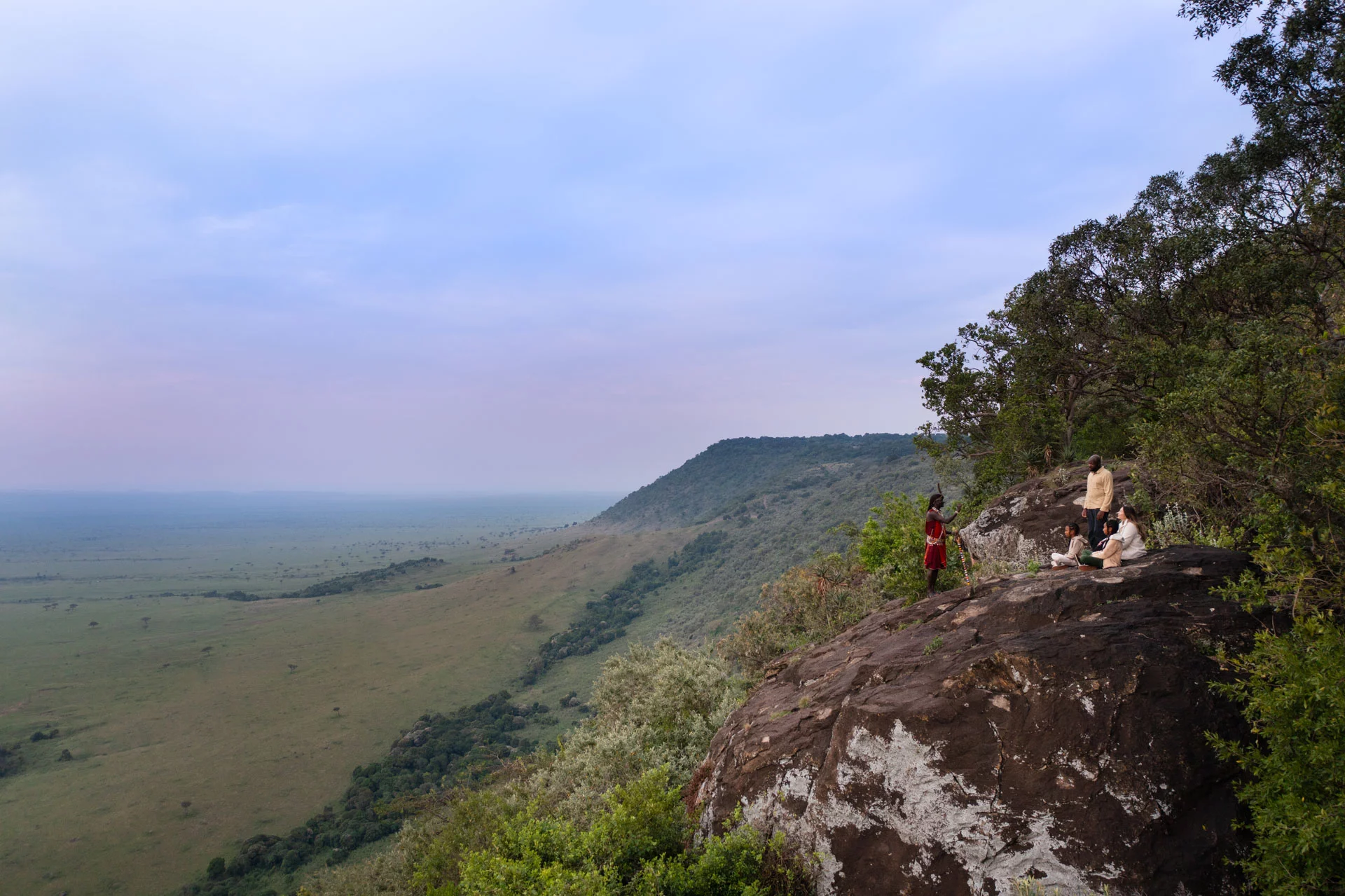
The Big Five in One Bowl You descend 600 metres onto the Ngorongoro Crater floor — 19 km across, sealed on all sides, and packed with lion, black rhino, elephant, buffalo and hippo. Nowhere in Africa delivers the Big Five in a more reliable space.
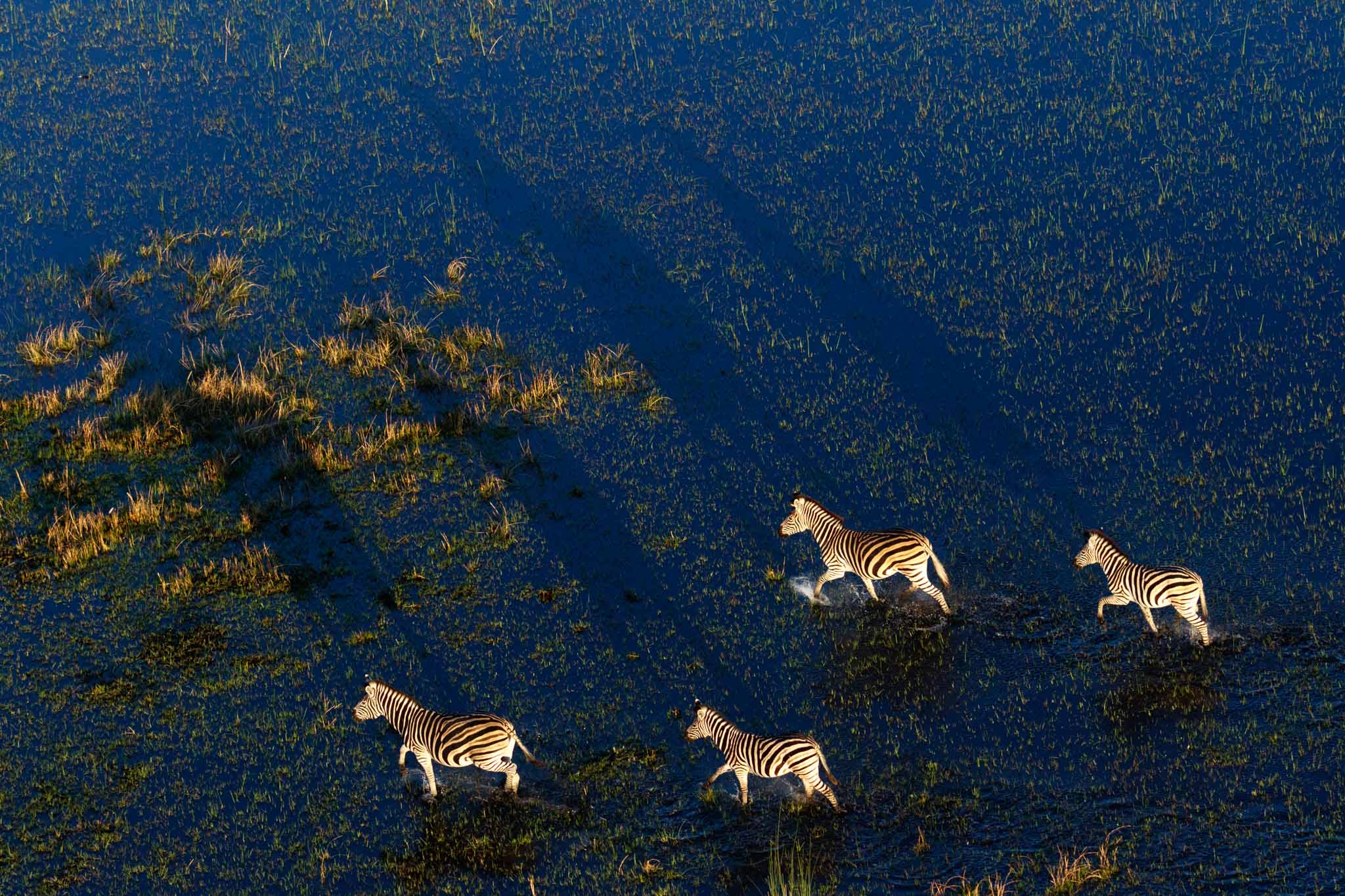
Elephant Country at Its Best Tarangire holds one of Africa's densest elephant populations. In the dry months whole herds crowd the river, sharing the banks with lion, giraffe, zebra, impala, and a birdlist that tops 550 species.
Lodges That Earn the Name Two genuinely fine stays bookend the bush — Gran Meliá on its coffee plantation and Acacia Farm Lodge above the crater highlands. Add a private 4×4 and your own guide throughout, and the luxury is in the comfort, not the crowd.
3 days
Tarangire & Ngorongoro SafariFrom$ 1450 USDPrice per Person - Private Safari- Your Itinerary
-
01 Day 01
Arrival in Arusha
Arrival in Arusha
A representative from Manka Safaris meets you at Kilimanjaro International Airport or Arusha Airport and takes you straight to Gran Meliá Arusha — no detours, no waiting around. The hotel sits on a working coffee plantation on the outskirts of the city, with Mount Meru framed on the horizon and the kind of gardens that make it easy to decompress after a long flight. The rest of the afternoon is yours. The pool, the gardens, the restaurant — take whichever you need most. In the evening your guide sits down with you for a short briefing: the route for the next two days, what to expect in the parks, and any questions you have before the early start tomorrow. Dinner at the hotel rounds off the night.
- Continue with the other day
-
02 Day 02
Tarangire National Park
Tarangire National Park
Breakfast early, then south on the main highway toward Tarangire — a drive of about two hours that goes quickly once the landscape starts to change. The baobabs appear first, scattered across the horizon like something from a storybook, then the park gate, and within minutes of entering you're in the middle of it: the river, the game, the stillness that only comes when you're deep enough into the bush that the road disappears behind you. Tarangire is built around its river. In the dry months the water draws everything in — elephant herds of thirty, fifty, a hundred animals, threading between ancient baobabs on their way down to drink. Lion, giraffe, zebra, impala, warthog, and a birdlist of over 550 species fill in the gaps. You spend the full day inside the park, breaking for a picnic lunch on the river circuit, then continue the afternoon drive before leaving as the light drops. Tonight's stop is Acacia Farm Lodge in Karatu — comfortable, well-positioned, and perfectly placed for an early crater start tomorrow.
- Continue with the other day
-
03 Day 03
Ngorongoro Crater → Arusha
Ngorongoro Crater → Arusha
An early breakfast at Acacia Farm Lodge, then the short drive up through the highlands to the Ngorongoro rim. From the top you get your first look at the crater floor spread out below — 19 kilometres across, sealed on all sides by 600-metre walls, and carrying one of the highest concentrations of wildlife on the continent. The descent takes about twenty minutes and lands you in a different world. Down on the floor the animals have everything they need and rarely bother to leave, which is what makes the density here unlike anywhere else. Lions rest in the open, black rhino are sighted more reliably than almost anywhere in East Africa, and elephant, buffalo, hippo and wildebeest fill the plains. You break for a picnic lunch at the hippo pool, then make a final sweep before climbing the rim road for the drive back to Arusha. The safari ends with a drop-off in town or a direct transfer to Kilimanjaro International Airport, timed to suit your onward flight.
Included
What's included
-
✓ Private 4×4 safari vehicle with pop-up roof & experienced English-speaking driver-guide throughout
-
✓ 1 night at Gran Meliá Arusha (Day 1) & 1 night at Acacia Farm Lodge, Karatu (Day 2)
-
✓ All meals as specified — dinner on Day 1, full board on Day 2, breakfast & lunch on Day 3
-
✓ All national park & conservation area fees, including Ngorongoro Crater descent fee
-
✓ Airport transfers (Kilimanjaro International or Arusha Airport), bottled water throughout
Not Included
What's not included
-
✗ International and domestic flights
-
✗ Tanzania tourist visa fees
-
✗ Travel insurance (strongly recommended)
-
✗ Tips and gratuities for guide, driver and hotel staff
-
✗ Personal items, alcoholic beverages, souvenirs & any services not listed above
Get inspired
with your safari styleSpell-binding safaris paired with beachside bliss
Frequently Asked Questions
Travel Info at glance
WhatsApp ChatQuestions? Doubts?Chat with us via WhatsAppWe will respond as soon as possible. - Experiences