English
-
Destinations
Tanzania Destinations
Beyond the classic safari trails, Tanzania offers destinations that cater to every type of explorer. Venture into Uganda’s lush rainforests to encounter the gentle giants of the animal kingdom, or explore Rwanda’s Volcanoes National Park, where encounters with majestic mountain gorillas leave a lasting impression.
- Experiences
Safari Inspirations
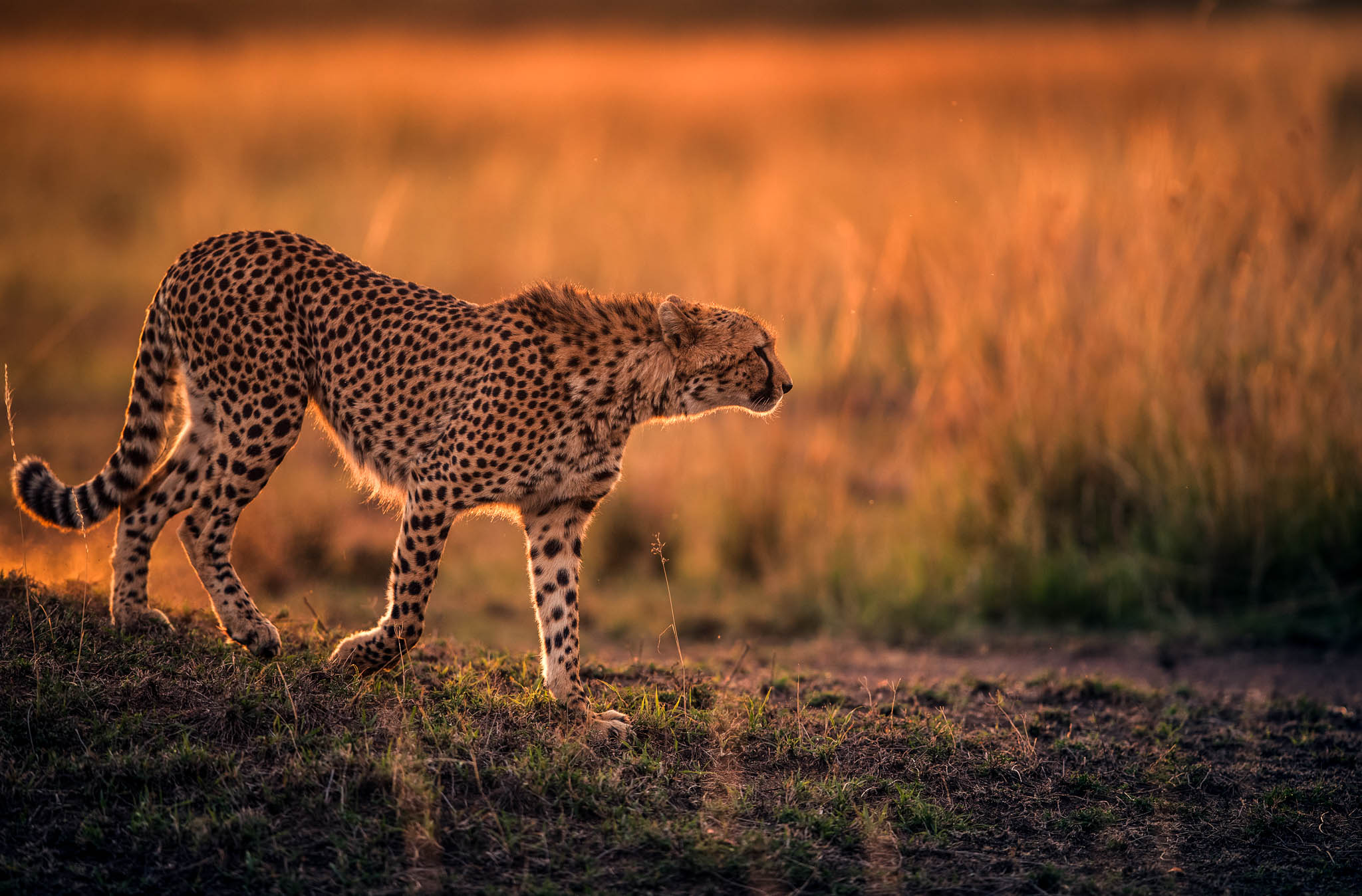
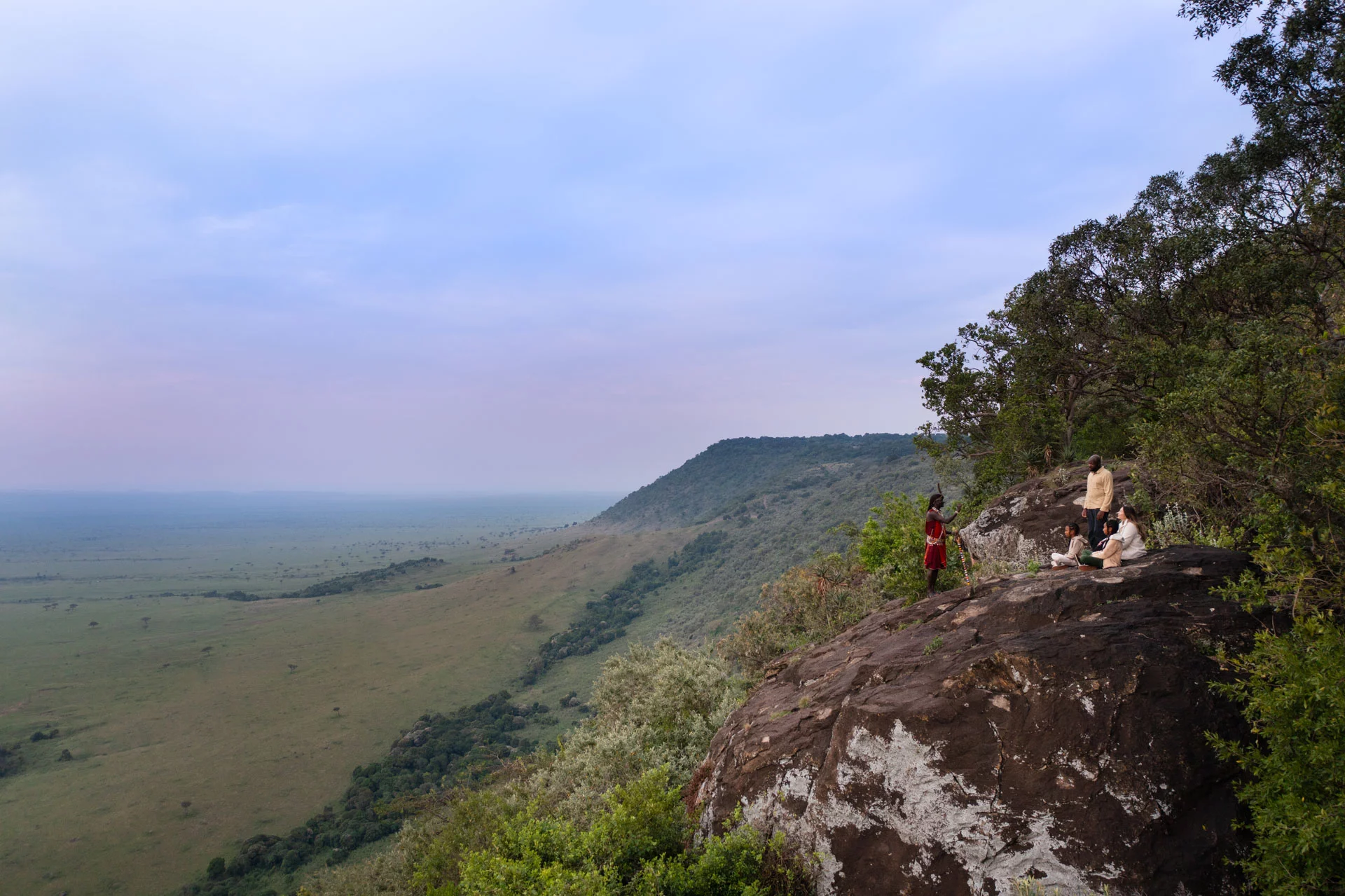
Tanzania is a land of endless safari inspirations, where every journey is an invitation to explore vast landscapes, vibrant cultures, and a rich tapestry of wildlife. From the sweeping plains of the Serengeti to the dramatic highlands of the Rift Valley, the region offers a myriad of experiences that ignite the spirit of adventure.
- Kilimanjaro
Kilimanjaro Trekking
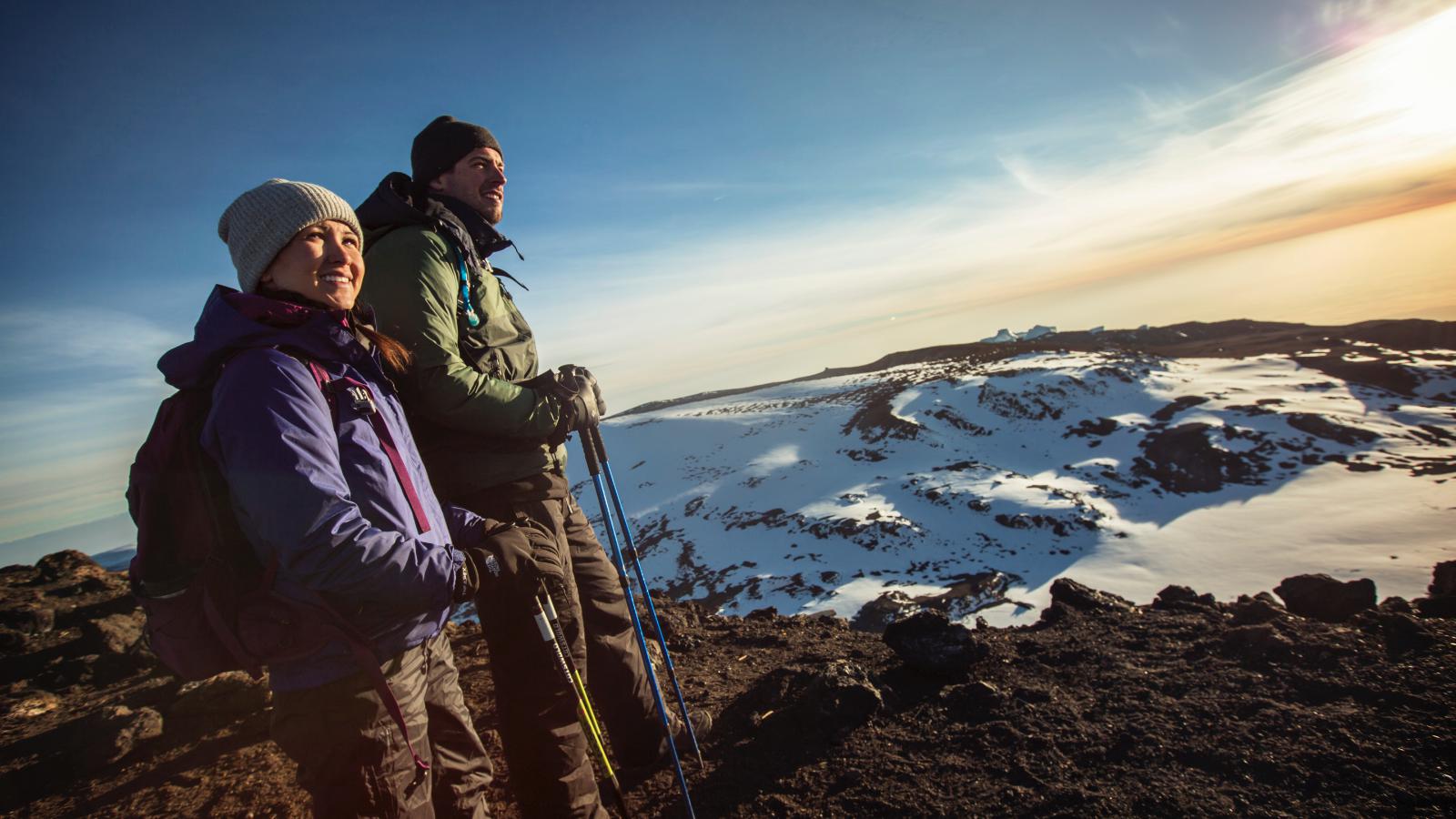
Mount Kilimanjaro, the highest free-standing mountain in the world, has long captured the imagination of adventurers and nature enthusiasts. Its snow-capped peak and diverse ecosystems create a breathtaking backdrop that promises an unforgettable trekking experience.
- Trip Ideas
Skip to the content- Tarangire, Ngorongoro & Lake Manyara Safari 3 days
- Tarangire Serengeti & Ngorongoro Safari 4 days
- Tarangire, Serengeti, Ngorongoro & Lake Manyara Safari 5 days
- Serengeti, Ngorongoro & Lake Eyasi Cultural Safari 6 days
- Tarangire, Serengeti & Ngorongoro Safari 4 days
- Serengeti Safari & Materuni Coffee Tour 5 days
- Serengeti & Ngorongoro Safari 3 days
- Mid-Range Fly-In Safari from Zanzibar 3 days
Trip ideas Packages
Every safari in Tanzania is more than a trip—it is a journey of self-discovery and a celebration of life’s raw beauty. The landscapes here are not only visually stunning but also full of lessons about resilience, coexistence, and the ever-changing dance of nature
- About us
About Us
Manka Safaris solutions stands out as a premier provider of authentic safari experiences in East Africa, dedicated to offering adventures that are as unique as they are unforgettable.
Trip Highlights
What to expect on this trip
The Machame route — the 'Whiskey route' — is Kilimanjaro's most popular climb for good reason: dramatic, varied scenery and a strong climb-high-sleep-low profile that gives well-prepared trekkers excellent odds of reaching the summit.
Over six days you pass through rainforest, moorland, alpine desert and the arctic summit zone. Highlights include the Shira Plateau, the giant plants of the Barranco Valley and the airy scramble up the Barranco Wall.
Machame's built-in acclimatisation — including the Lava Tower ascent — helps your body adjust before summit night. Nothing guarantees the top, but this profile and an unhurried pace give you a genuine advantage where it matters most
Best climbed in the drier windows of January to March and June to October, Machame suits reasonably fit trekkers ready for camping and long days. No technical climbing is needed — just preparation, determination and a steady stride.
- Your Itinerary
-
Arrival Day Day Arrival Day
Kilimanjaro International Airport to your hotel
On arrival at Kilimanjaro International Airport you are met by our team and transferred to your hotel in Moshi or Arusha. The rest of the day is yours to rest and recover from the flight. In the evening your guide runs a full pre-climb briefing and equipment check, so your kit is ready for the mountain. Overnight at your hotel.
Discover more about
On arrival at Kilimanjaro International Airport you are met by our team and transferred to your hotel in Moshi or Arusha. The rest of the day is yours to rest and recover from the flight. In the evening your guide runs a full pre-climb briefing and equipment check, so your kit is ready for the mountain. Overnight at your hotel.
Accommodations options
- Continue with the other day
-
Day 01 Day Day 01
Machame Gate to Machame Camp
After breakfast you are collected from your hotel in Moshi or Arusha and driven to Machame Gate on the mountain's southern side. Here you register before entering dense montane rainforest, where the trail climbs steadily through green, often misty forest alive with birdsong and the occasional colobus monkey. As the canopy thins, the path opens onto the lower edge of the moorland zone and reaches Machame Camp for your first night. It is a rewarding introduction — steady rather than steep — and a chance to settle into the slow, measured rhythm your guides will set.
Discover more about
After breakfast you are collected from your hotel in Moshi or Arusha and driven to Machame Gate on the mountain's southern side. Here you register before entering dense montane rainforest, where the trail climbs steadily through green, often misty forest alive with birdsong and the occasional colobus monkey. As the canopy thins, the path opens onto the lower edge of the moorland zone and reaches Machame Camp for your first night. It is a rewarding introduction — steady rather than steep — and a chance to settle into the slow, measured rhythm your guides will set.
- Continue with the other day
-
Day 02 Day Day 02
Machame Camp to Shira Camp
Leaving the forest behind, the trail steepens through heath and open moorland scattered with giant heather and volcanic rock. The gradient rewards you with widening views: the Shira Plateau ahead and, on clear mornings, Kibo's glaciered summit rising above. You cross a rocky ridge before descending gently to Shira Camp on the plateau, one of the mountain's most atmospheric campsites. The thinner air is noticeable now, and the day is deliberately shorter to help your body adjust. Sunset over the plateau, with Mount Meru floating on the horizon, is a highlight.
Discover more about
Leaving the forest behind, the trail steepens through heath and open moorland scattered with giant heather and volcanic rock. The gradient rewards you with widening views: the Shira Plateau ahead and, on clear mornings, Kibo's glaciered summit rising above. You cross a rocky ridge before descending gently to Shira Camp on the plateau, one of the mountain's most atmospheric campsites. The thinner air is noticeable now, and the day is deliberately shorter to help your body adjust. Sunset over the plateau, with Mount Meru floating on the horizon, is a highlight.
- Continue with the other day
-
Day 03 Day Day 03
Shira Camp to Barranco Camp via Lava Tower
Today follows the mountaineer's golden rule — climb high, sleep low. You ascend steadily east toward Lava Tower at around 4,600m, where you pause for lunch and feel the altitude in earnest. From here the trail descends into the surreal Barranco Valley, past the strange, ancient giant senecio and lobelia plants that thrive nowhere else. You lose much of the altitude you gained, and that is the point: reaching a high point and sleeping lower trains your body for summit night. Barranco Camp sits beneath its famous wall, lit gold at dusk.
Discover more about
Today follows the mountaineer's golden rule — climb high, sleep low. You ascend steadily east toward Lava Tower at around 4,600m, where you pause for lunch and feel the altitude in earnest. From here the trail descends into the surreal Barranco Valley, past the strange, ancient giant senecio and lobelia plants that thrive nowhere else. You lose much of the altitude you gained, and that is the point: reaching a high point and sleeping lower trains your body for summit night. Barranco Camp sits beneath its famous wall, lit gold at dusk.
- Continue with the other day
-
Day 04 Day Day 04
Barranco Camp to Barafu Camp via Karanga
The day opens with the Barranco Wall, a steep scramble that looks daunting but is straightforward with hands and care — and the views from the top are among the finest on the mountain. Beyond, the trail rolls through a series of ridges and valleys to Karanga, then climbs the arid alpine desert toward Barafu Camp, your summit base. The landscape is stark now, all rock and sky. You arrive by afternoon to rest, eat early and sleep as much as the altitude allows, because you will rise near midnight for the summit push.
Discover more about
The day opens with the Barranco Wall, a steep scramble that looks daunting but is straightforward with hands and care — and the views from the top are among the finest on the mountain. Beyond, the trail rolls through a series of ridges and valleys to Karanga, then climbs the arid alpine desert toward Barafu Camp, your summit base. The landscape is stark now, all rock and sky. You arrive by afternoon to rest, eat early and sleep as much as the altitude allows, because you will rise near midnight for the summit push.
- Continue with the other day
-
Day 05 Day Day 05
Summit Day: Barafu to Uhuru Peak, descend to Mweka
You set out around midnight by headtorch for the slow, cold climb toward the crater rim at Stella Point. It is the hardest stretch of the trek — steep scree, thin air and deep cold — but timed so you reach Uhuru Peak, the roof of Africa at 5,895m, near sunrise. The reward is a horizon of glaciers and cloud far below. After photographs you descend the way you came to Barafu, rest and eat, then continue down to Mweka Camp in the upper forest. It is a long, demanding, unforgettable day.
Discover more about
You set out around midnight by headtorch for the slow, cold climb toward the crater rim at Stella Point. It is the hardest stretch of the trek — steep scree, thin air and deep cold — but timed so you reach Uhuru Peak, the roof of Africa at 5,895m, near sunrise. The reward is a horizon of glaciers and cloud far below. After photographs you descend the way you came to Barafu, rest and eat, then continue down to Mweka Camp in the upper forest. It is a long, demanding, unforgettable day.
- Continue with the other day
-
Day 06 Day Day 06
Mweka Camp to Mweka Gate
A gentler final morning takes you down through lush rainforest, the air thickening and warming with every step as the summit cold becomes a memory. The trail can be muddy but the walking is easy and the mood light. At Mweka Gate you sign out and receive your summit certificates — gold for those who reached Uhuru Peak. From here you are driven back and dropped at your hotel in Moshi or Arusha, where a hot shower and a proper meal await. Overnight at your hotel.
Discover more about
A gentler final morning takes you down through lush rainforest, the air thickening and warming with every step as the summit cold becomes a memory. The trail can be muddy but the walking is easy and the mood light. At Mweka Gate you sign out and receive your summit certificates — gold for those who reached Uhuru Peak. From here you are driven back and dropped at your hotel in Moshi or Arusha, where a hot shower and a proper meal await. Overnight at your hotel.
Accommodations options
- Continue with the other day
-
Departure Day Day Departure Day
your hotel to the airport
After a relaxed breakfast you are transferred to Kilimanjaro International Airport for your onward flight. If you have booked a safari or a Zanzibar beach extension, your next adventure begins here instead. Either way, you leave with your certificate, your photographs and the memory of standing on the roof of Africa.
Discover more about
After a relaxed breakfast you are transferred to Kilimanjaro International Airport for your onward flight. If you have booked a safari or a Zanzibar beach extension, your next adventure begins here instead. Either way, you leave with your certificate, your photographs and the memory of standing on the roof of Africa.
Included
What's included
-
✓ All park entry, camping and rescue fees, and government trekking taxes
-
✓ Professional, licensed mountain guides, cook and porters
-
✓ All meals on the mountain and safe drinking water throughout
-
✓ Quality tents, sleeping mats and shared mess and toilet tents
-
✓ Airport transfers and all transport to and from the trailhead
Not Included
What's not included
-
✗ International flights, visas and travel insurance
-
✗ Personal trekking gear and clothing (available to hire locally)
-
✗ Tips for your mountain crew
-
✗ Meals and drinks before and after the trek
-
✗ Personal items, extra snacks and anything not listed above
Get inspired
with your safari styleSpell-binding safaris paired with beachside bliss
Frequently Asked Questions
Travel Info at glance
What should I wear on a safari day?Wear lightweight, neutral-colored clothing (like khaki or beige) to stay cool and blend into the environment. Comfortable walking shoes, a hat, and sunglasses are also recommended. Early mornings and evenings can be chilly, so bring a light jacket.
What time do safari game drives usually start and end?Morning game drives typically start around 6:00 AM and last 3–4 hours, while afternoon or evening drives begin around 3:00–4:00 PM and return by sunset. Exact times may vary depending on the season and your lodge’s schedule.
Is it safe to go on a safari?Yes, safaris are safe when conducted by professional guides who follow park rules. Always remain in the vehicle unless instructed otherwise and avoid sudden movements or loud noises near wildlife.
Will I see all the Big Five during my safari?Sightings vary and are never guaranteed as animals roam freely. However, with experienced guides and multiple game drives, your chances of spotting the Big Five—lion, leopard, rhino, elephant, and buffalo—are high in many national parks.
What should I bring with me on a game drive?Bring binoculars, a camera, sunscreen, insect repellent, water, and a small snack. Your guide may also provide some of these items, but it’s best to come prepared.
WhatsApp ChatQuestions? Doubts?Chat with us via WhatsAppWe will respond as soon as possible. - Experiences