English
-
Destinations
Tanzania Destinations
Beyond the classic safari trails, Tanzania offers destinations that cater to every type of explorer. Venture into Uganda’s lush rainforests to encounter the gentle giants of the animal kingdom, or explore Rwanda’s Volcanoes National Park, where encounters with majestic mountain gorillas leave a lasting impression.
- Experiences
Safari Inspirations
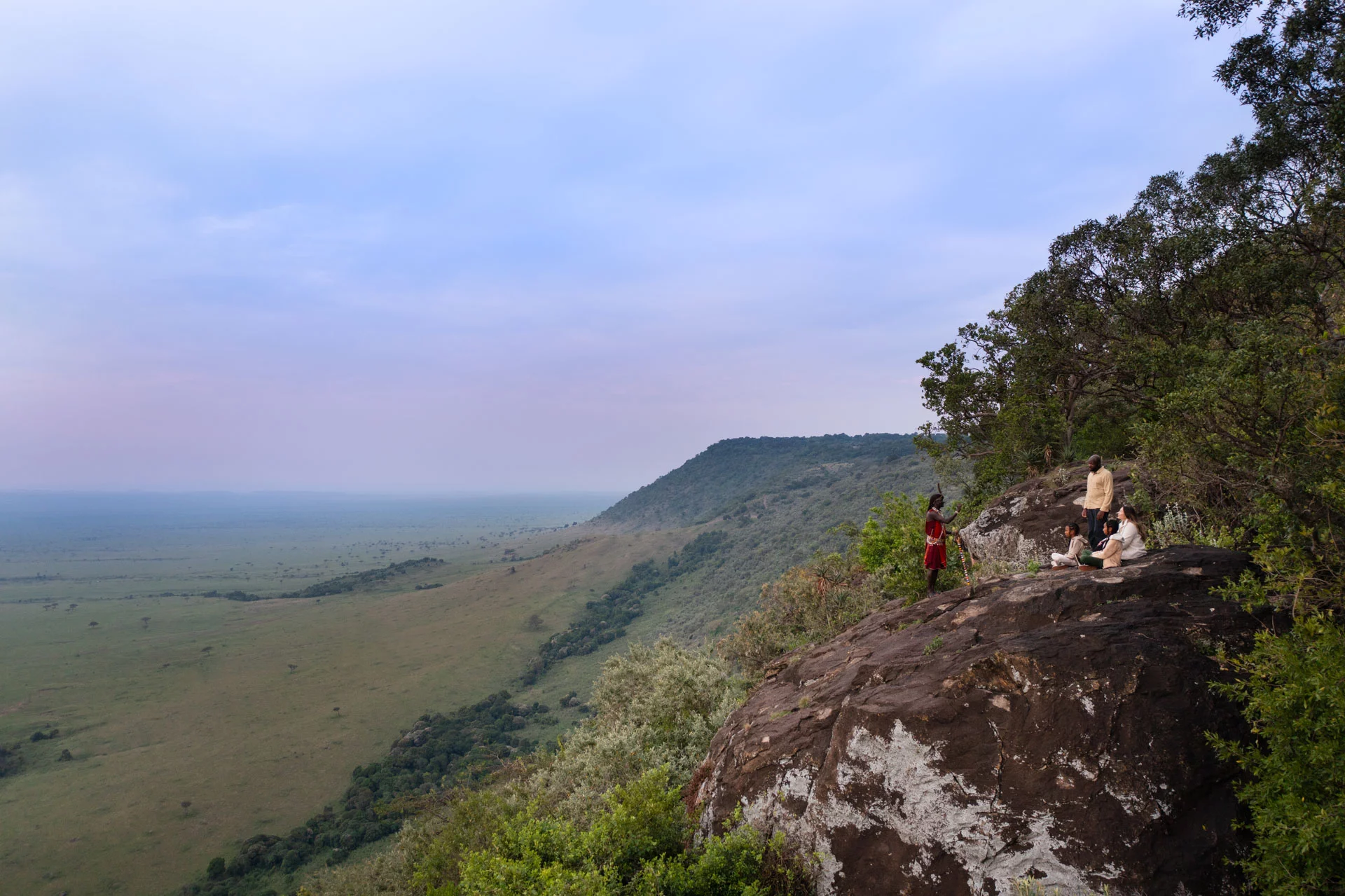
Tanzania is a land of endless safari inspirations, where every journey is an invitation to explore vast landscapes, vibrant cultures, and a rich tapestry of wildlife. From the sweeping plains of the Serengeti to the dramatic highlands of the Rift Valley, the region offers a myriad of experiences that ignite the spirit of adventure.
- Kilimanjaro
Kilimanjaro Trekking
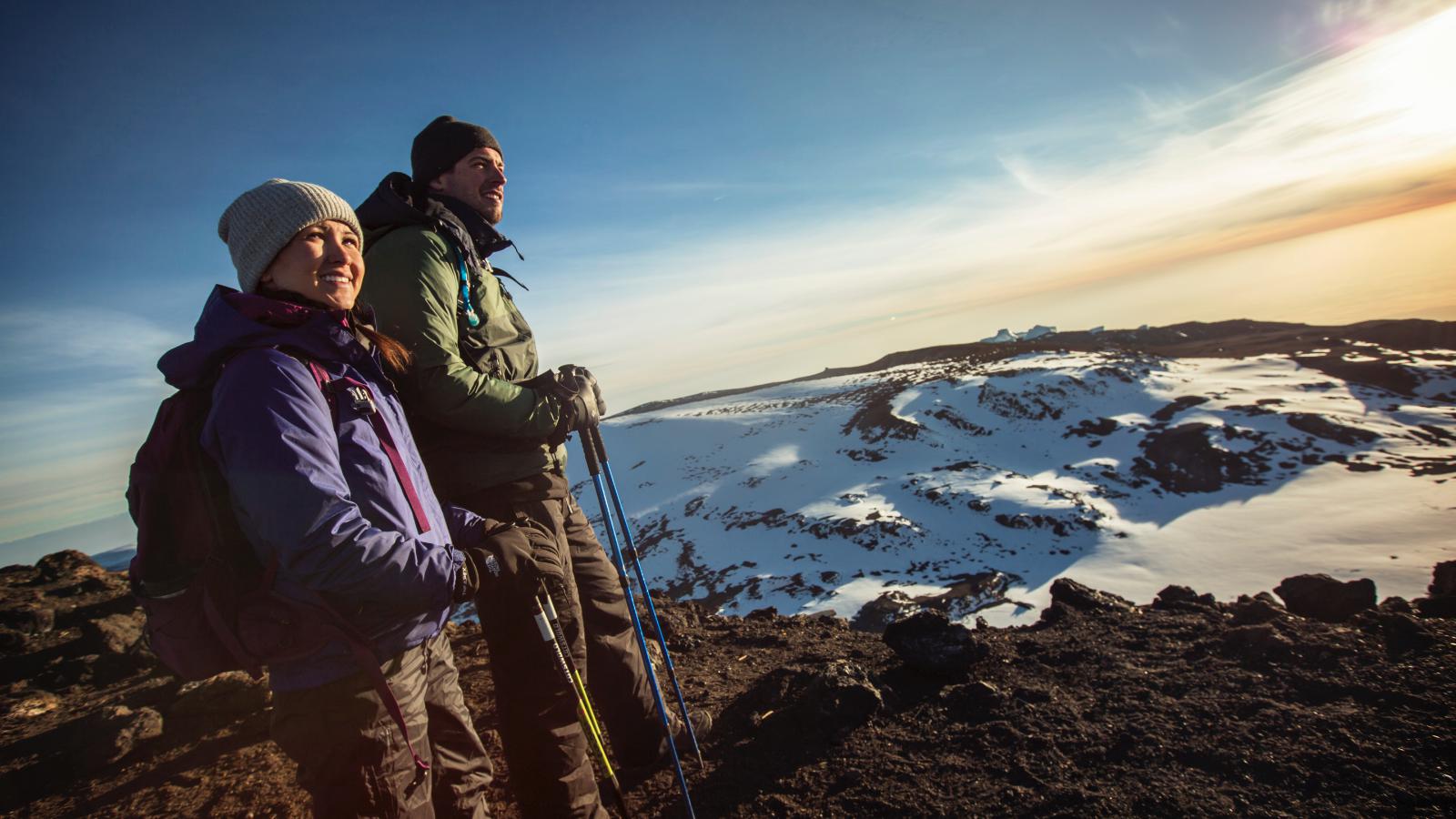
Mount Kilimanjaro, the highest free-standing mountain in the world, has long captured the imagination of adventurers and nature enthusiasts. Its snow-capped peak and diverse ecosystems create a breathtaking backdrop that promises an unforgettable trekking experience.
- Trip Ideas
Skip to the content- Tarangire, Ngorongoro & Lake Manyara Safari 3 days
- Tarangire Serengeti & Ngorongoro Safari 4 days
- Tarangire, Serengeti, Ngorongoro & Lake Manyara Safari 5 days
- Serengeti, Ngorongoro & Lake Eyasi Cultural Safari 6 days
- Tarangire, Serengeti & Ngorongoro Safari 4 days
- Serengeti Safari & Materuni Coffee Tour 5 days
- Serengeti & Ngorongoro Safari 3 days
- Mid-Range Fly-In Safari from Zanzibar 3 days
Trip ideas Packages
Every safari in Tanzania is more than a trip—it is a journey of self-discovery and a celebration of life’s raw beauty. The landscapes here are not only visually stunning but also full of lessons about resilience, coexistence, and the ever-changing dance of nature
- About us
About Us
Manka Safaris solutions stands out as a premier provider of authentic safari experiences in East Africa, dedicated to offering adventures that are as unique as they are unforgettable.
Trip Highlights
What to expect on this trip
The Rongai route is the only Kilimanjaro climb approaching from the remote north, near the Kenyan border. Quieter than the southern trails and set on the mountain's drier side, it rewards trekkers who value solitude and a gentler gradient.
Over six days you climb through farmland, wild forest and open moorland beneath the dramatic spires of Mawenzi, camping at the beautiful Mawenzi Tarn before crossing the Saddle to the summit base. You descend a different side, via Marangu.
Because the northern slopes sit in a rain shadow, Rongai stays drier than other routes and is the strongest choice during the wetter months, when southern trails are muddier. It remains excellent through the main dry seasons too.
With an acclimatisation walk at Mawenzi Tarn and steady, moderate gradients, Rongai suits first-time trekkers and those who prefer a quieter mountain. Camping and long days are involved, but no technical climbing — only fitness and resolve.
- Your Itinerary
-
Arrival Day Day Arrival Day
Kilimanjaro International Airport to your hotel
On arrival at Kilimanjaro International Airport you are met by our team and transferred to your hotel in Moshi or Arusha. The rest of the day is yours to rest and recover from the flight. In the evening your guide runs a full pre-climb briefing and equipment check, so your kit is ready for the mountain. Overnight at your hotel.
Discover more about
On arrival at Kilimanjaro International Airport you are met by our team and transferred to your hotel in Moshi or Arusha. The rest of the day is yours to rest and recover from the flight. In the evening your guide runs a full pre-climb briefing and equipment check, so your kit is ready for the mountain. Overnight at your hotel.
- Continue with the other day
-
Day 01 Day Day 01
Nalemuru Gate to Simba Camp
After breakfast you are collected from your hotel and driven north around the mountain toward the Kenyan border — a scenic transfer to the quiet Nalemuru (Rongai) Gate. After registering, you climb gently through farmland and pine before entering wild montane forest, where you may spot black-and-white colobus monkeys and, lower down, signs of elephant and buffalo. The gradient is forgiving, easing you into the trek. You reach Simba Camp on the edge of the moorland, with sweeping views north across the plains toward Kenya.
Discover more about
After breakfast you are collected from your hotel and driven north around the mountain toward the Kenyan border — a scenic transfer to the quiet Nalemuru (Rongai) Gate. After registering, you climb gently through farmland and pine before entering wild montane forest, where you may spot black-and-white colobus monkeys and, lower down, signs of elephant and buffalo. The gradient is forgiving, easing you into the trek. You reach Simba Camp on the edge of the moorland, with sweeping views north across the plains toward Kenya.
- Continue with the other day
-
Day 02 Day Day 02
Simba Camp to Kikelewa Camp
A steady day across open, rolling moorland with the summit growing ahead. You climb past the Second Cave, pausing to take in long views over the northern slopes, then turn toward the jagged, dramatic spires of Mawenzi — Kilimanjaro's second peak. The vegetation thins to hardy tussock grass and everlasting flowers as the air cools and clears. Kikelewa Camp sits in a sheltered spot beneath Mawenzi, a peaceful place to rest. Because the northern side sees fewer climbers, the sense of wilderness and solitude here is something the busier southern routes rarely offer.
Discover more about
A steady day across open, rolling moorland with the summit growing ahead. You climb past the Second Cave, pausing to take in long views over the northern slopes, then turn toward the jagged, dramatic spires of Mawenzi — Kilimanjaro's second peak. The vegetation thins to hardy tussock grass and everlasting flowers as the air cools and clears. Kikelewa Camp sits in a sheltered spot beneath Mawenzi, a peaceful place to rest. Because the northern side sees fewer climbers, the sense of wilderness and solitude here is something the busier southern routes rarely offer.
- Continue with the other day
-
Day 03 Day Day 03
Kikelewa Camp to Mawenzi Tarn
A short but steep morning takes you up a grassy ridge with fine views back over the moorland you have crossed. The reward is Mawenzi Tarn, a small alpine lake cradled dramatically beneath the sheer, spiky walls of Mawenzi peak — one of the most striking campsites on the whole mountain. You arrive by early afternoon, leaving time for a gentle acclimatisation walk to a higher point before returning to sleep low. This deliberate pacing is central to the route's design, giving your body the time it needs before the summit attempt.
Discover more about
A short but steep morning takes you up a grassy ridge with fine views back over the moorland you have crossed. The reward is Mawenzi Tarn, a small alpine lake cradled dramatically beneath the sheer, spiky walls of Mawenzi peak — one of the most striking campsites on the whole mountain. You arrive by early afternoon, leaving time for a gentle acclimatisation walk to a higher point before returning to sleep low. This deliberate pacing is central to the route's design, giving your body the time it needs before the summit attempt.
- Continue with the other day
-
Day 04 Day Day 04
Mawenzi Tarn to Kibo Hut
Today you cross the wide, lunar expanse of 'the Saddle', the high alpine desert stretching between Mawenzi and Kibo. It is a stark, memorable landscape — bare rock, thin air and enormous sky, with the summit cone drawing steadily closer. The walking is not steep but the altitude makes it feel long, so your guides keep the pace slow and measured. You reach Kibo Hut, the summit base, by mid-afternoon. Here you rest, eat early and try to sleep, as you will rise before midnight for the final climb to the roof of Africa.
Discover more about
Today you cross the wide, lunar expanse of 'the Saddle', the high alpine desert stretching between Mawenzi and Kibo. It is a stark, memorable landscape — bare rock, thin air and enormous sky, with the summit cone drawing steadily closer. The walking is not steep but the altitude makes it feel long, so your guides keep the pace slow and measured. You reach Kibo Hut, the summit base, by mid-afternoon. Here you rest, eat early and try to sleep, as you will rise before midnight for the final climb to the roof of Africa.
- Continue with the other day
-
Day 05 Day Day 05
Summit Day: Kibo to Uhuru Peak, descend to Horombo
Around midnight you begin the long, cold ascent toward Gilman's Point on the crater rim, climbing steep switchbacks of scree by headtorch. From Gilman's the route follows the rim to Uhuru Peak, the highest point in Africa at 5,895m, reached near sunrise with glaciers glowing in the first light. After your summit photographs you descend to Kibo, rest briefly, then continue down — now joining the Marangu route — to the green comfort of Horombo Hut. It is the longest, hardest and most rewarding day of the whole trek.
Discover more about
Around midnight you begin the long, cold ascent toward Gilman's Point on the crater rim, climbing steep switchbacks of scree by headtorch. From Gilman's the route follows the rim to Uhuru Peak, the highest point in Africa at 5,895m, reached near sunrise with glaciers glowing in the first light. After your summit photographs you descend to Kibo, rest briefly, then continue down — now joining the Marangu route — to the green comfort of Horombo Hut. It is the longest, hardest and most rewarding day of the whole trek.
- Continue with the other day
-
Day 06 Day Day 06
Horombo Hut to Marangu Gate
The final day is a long but easy descent, dropping back through moorland and into the cool, green rainforest of the Marangu side — a lush contrast to the northern slopes you climbed. The air warms and thickens, and spirits are high. At Marangu Gate you sign out and receive your summit certificates, then are driven back and dropped at your hotel in Moshi or Arusha. Descending a different side from your ascent means Rongai shows you two distinct faces of the mountain. Overnight at your hotel.
Discover more about
The final day is a long but easy descent, dropping back through moorland and into the cool, green rainforest of the Marangu side — a lush contrast to the northern slopes you climbed. The air warms and thickens, and spirits are high. At Marangu Gate you sign out and receive your summit certificates, then are driven back and dropped at your hotel in Moshi or Arusha. Descending a different side from your ascent means Rongai shows you two distinct faces of the mountain. Overnight at your hotel.
- Continue with the other day
-
Departure Day Day Departure Day
your hotel to the airport
After a relaxed breakfast you are transferred to Kilimanjaro International Airport for your onward flight. If you have booked a safari or a Zanzibar beach extension, your next adventure begins here instead. Either way, you leave with your certificate, your photographs and the memory of standing on the roof of Africa.
Discover more about
After a relaxed breakfast you are transferred to Kilimanjaro International Airport for your onward flight. If you have booked a safari or a Zanzibar beach extension, your next adventure begins here instead. Either way, you leave with your certificate, your photographs and the memory of standing on the roof of Africa.
Included
What's included
-
✓ All park entry, camping and rescue fees, and government trekking taxes
-
✓ Professional, licensed mountain guides, cook and porters
-
✓ All meals on the mountain and safe drinking water throughout
-
✓ Quality tents, sleeping mats and shared mess and toilet tents
-
✓ Airport transfers and all transport to Rongai and from Marangu Gate
Not Included
What's not included
-
✗ International flights, visas and travel insurance
-
✗ Personal trekking gear and clothing (available to hire locally)
-
✗ Tips for your mountain crew
-
✗ Meals and drinks before and after the trek
-
✗ Personal items, extra snacks and anything not listed above
Get inspired
with your safari styleSpell-binding safaris paired with beachside bliss
Frequently Asked Questions
Travel Info at glance
What should I wear on a safari day?Wear lightweight, neutral-colored clothing (like khaki or beige) to stay cool and blend into the environment. Comfortable walking shoes, a hat, and sunglasses are also recommended. Early mornings and evenings can be chilly, so bring a light jacket.
What time do safari game drives usually start and end?Morning game drives typically start around 6:00 AM and last 3–4 hours, while afternoon or evening drives begin around 3:00–4:00 PM and return by sunset. Exact times may vary depending on the season and your lodge’s schedule.
Is it safe to go on a safari?Yes, safaris are safe when conducted by professional guides who follow park rules. Always remain in the vehicle unless instructed otherwise and avoid sudden movements or loud noises near wildlife.
Will I see all the Big Five during my safari?Sightings vary and are never guaranteed as animals roam freely. However, with experienced guides and multiple game drives, your chances of spotting the Big Five—lion, leopard, rhino, elephant, and buffalo—are high in many national parks.
What should I bring with me on a game drive?Bring binoculars, a camera, sunscreen, insect repellent, water, and a small snack. Your guide may also provide some of these items, but it’s best to come prepared.
WhatsApp ChatQuestions? Doubts?Chat with us via WhatsAppWe will respond as soon as possible. - Experiences